Gear guides
Boxing Hand Wraps: Which Ones Should You Buy?
180 inch cotton wraps for most adults. What length, material and closure actually change, why gel wraps are not a substitute, and how to keep them from smelling.
4 min read
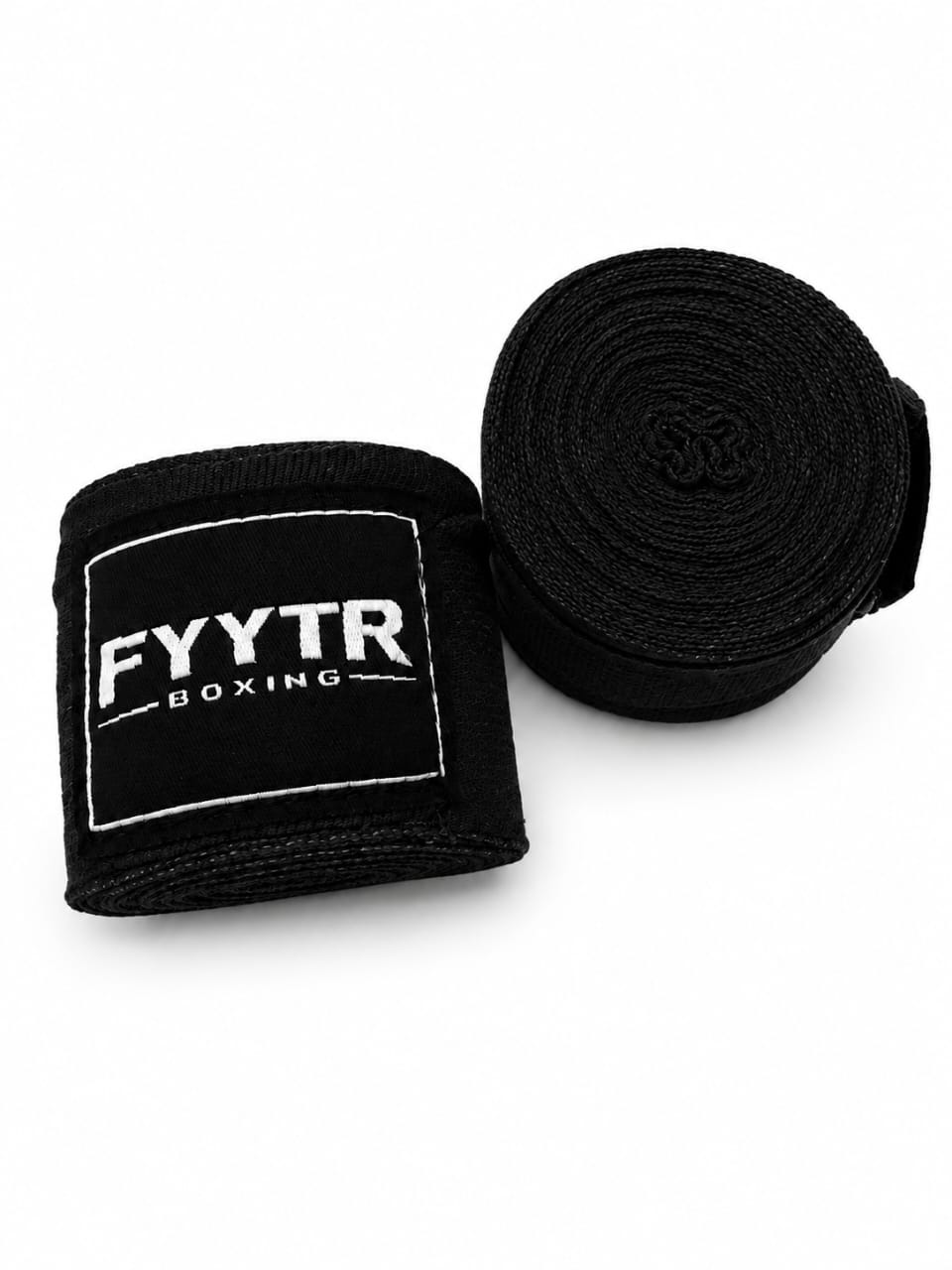
Buy 180 inch semi-elastic cotton wraps. That covers the overwhelming majority of adult hands, gives you enough material to support the wrist properly and still build knuckle layers, and costs about AED 50. Everything below is the reasoning and the exceptions.
Hand wraps are the cheapest thing in a boxer's bag and the item that prevents the most damage. They also protect your gloves, which cost four times as much.
What do hand wraps actually do?
Three separate jobs, and only one of them is padding.
They bind the hand. Your hand contains a lot of small bones held in position by soft tissue. A punch that lands slightly off-centre pushes those bones apart. A wrap holds the structure together so the load is shared rather than concentrated on whichever knuckle got there first.
They support the wrist. This is the job people underrate and the injury they get. Most wrist damage in boxing comes from the joint folding on impact, not from the impact itself.
They absorb sweat. Unglamorous but financially significant. Sweat that goes into a wrap does not go into your glove lining, and glove lining is where sweat destroys foam.
The padding contribution is real but small. If you are choosing wraps for cushioning, you have the wrong model of what they do.
What length should you buy?
| Length | Suits | Notes |
|---|---|---|
| 120 inch | Small hands, children, tight gloves | Rarely enough for a full wrist and knuckle wrap |
| 180 inch | Most adults | The default. Enough material for a complete wrap |
| 200 inch plus | Large hands, thick wrapping styles | Can bulk the glove fit if you are not careful |
The reason 180 is standard is arithmetic rather than preference. A proper wrap takes several turns at the wrist, passes between each finger, builds three or four layers over the knuckles, and returns to lock at the wrist. Done honestly, that consumes about 180 inches on an average adult hand.
People who buy 120 inch wraps usually end up skipping the wrist turns to make the length reach, which removes the most valuable part of the wrap.
Cotton, elastic or gel?
Semi-elastic cotton is the right default. The slight stretch lets the wrap conform under tension and is forgiving while you are still learning, which matters because a badly applied rigid wrap cuts off circulation.
Pure cotton has no give. It is what many coaches prefer for a precise wrap and what tends to be used in competition, but it punishes technique errors. Worth moving to once wrapping is automatic.
Gel wraps are a slip-on inner glove with a padded knuckle insert. They take five seconds instead of two minutes and they are genuinely convenient for a fitness class. They do not bind the hand and they give the wrist very little. Fine as a second option in the bag, wrong as your only one.
Our Laaf hand wraps are AED 49 for a 180 inch semi-elastic cotton pair. Laaf comes from the Arabic root meaning to wrap or wind around, which is about as literal as product naming gets.
Does the closure matter?
A little. Look for a wide hook-and-loop panel and a thumb loop that is stitched rather than punched.
The thumb loop takes the initial tension of the whole wrap, so a punched hole through the fabric is a tear waiting to happen. Stitched loops last the life of the wrap.
Closure width matters because a narrow strip of hook-and-loop concentrates pressure on one band of the wrist and works loose mid-session. Wider panels hold flatter. Neither is a reason to pay a premium, but both are worth checking on a cheap pair.
How many pairs do you need?
Two, if you train more than twice a week.
Wraps need washing after every session, and they take most of a day to dry properly. A single pair means either training in damp wraps or skipping washes, and both routes end at the same skin problems. Two pairs at AED 49 each is a small amount of money for a problem that otherwise recurs forever.
Keep them in something breathable rather than loose in a kit bag. A gym pouch at AED 69 keeps wraps, a gum shield and tape together and stops damp wraps sitting against everything else you own.
How to wash and dry them
Machine wash cold in a mesh bag, or hand wash in the sink. The mesh bag is not optional if you use a machine, because loose wraps tangle around everything in the drum and come out as one knot.
Dry them unrolled and hanging. Rolled wet wraps stay wet in the middle for days, which is exactly the environment that produces the smell people blame on their gloves.
Do not tumble dry elastic wraps. Heat kills the stretch, and a wrap with no give is a wrap that slides.
What to buy with them
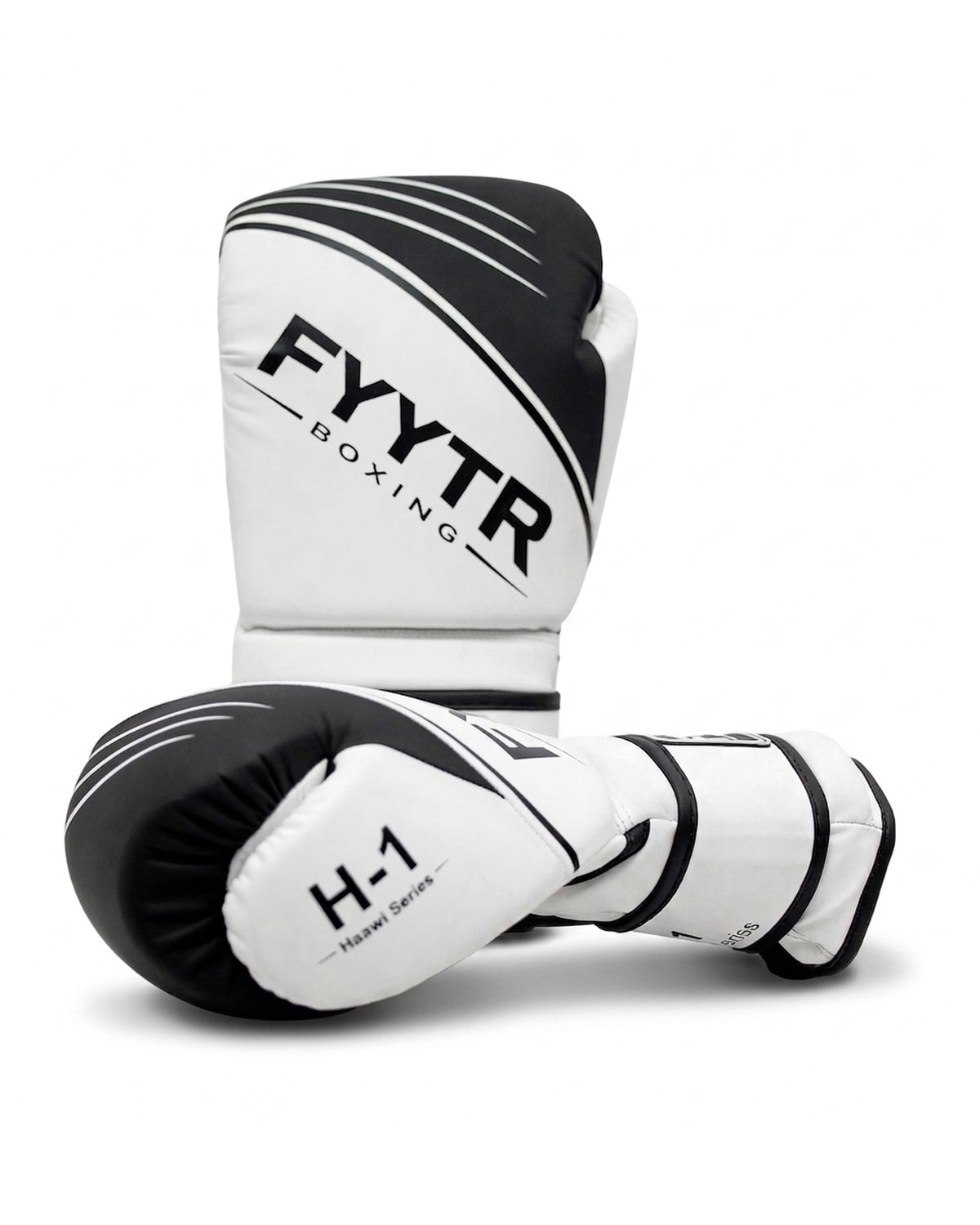
Wraps are the first purchase, not the only one. The natural pairing is a 14oz training glove, since gloves are sized and shaped to be worn over wraps in the first place. Our Haawi H-1 at AED 199 is built for that everyday role.
If you have never wrapped before, the technique matters more than the product. Our step-by-step wrapping guide covers a wrap that holds for a full session and the three mistakes that make wraps useless. For the full first-purchase list, see the beginner equipment guide.
Common questions
180 inch semi-elastic cotton wraps. They give enough material for proper wrist support and knuckle layers, and the slight stretch is forgiving while you are still learning to wrap.
180 inch for most adults. 120 inch suits smaller hands, tighter gloves and light technique work, but it rarely leaves enough material to wrap the wrist properly and still cover the knuckles.
No. Gel wraps are quick and fine for a fitness class, but they do not bind the small bones of the hand or support the wrist the way a proper wrap does. Use them as a convenience option, not a replacement.
Yes. Bag work is where most hand injuries happen, because you hit a hard surface repeatedly without the give of a moving target.
Wash them after every session and dry them fully unrolled. They are designed to absorb sweat, so unwashed wraps are the usual cause of skin problems and glove smell.
Shop the kit


Keep reading
Gear guides3 min read
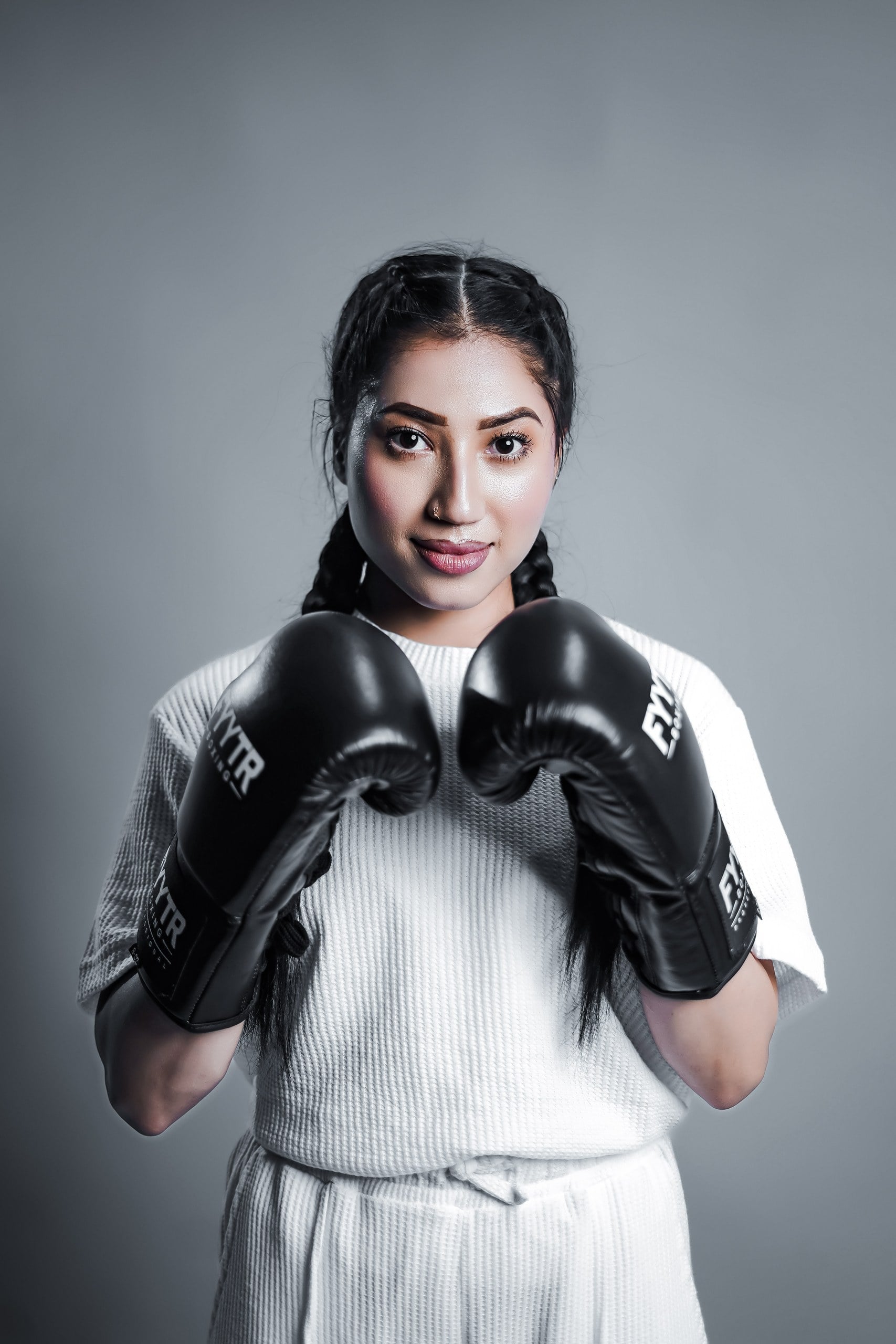
Boxing Gear for Women: What Actually Fits
Glove sizing by hand rather than by label, wraps that are not too long, and what to wear in a UAE gym. Written for people the standard sizing does not fit.
Gear guides3 min read
Boxing Mouthguards: How to Choose and Fit One
A boil-and-bite mouthguard fitted properly protects better than an expensive one fitted badly. How to pick, how to mould it, and when to replace it.
Gear guides2 min read
Gifts for Boxers: What They Actually Want
Ideas from AED 49 to AED 379, sorted by what someone who trains will genuinely use. Written by people who watch this gear come back for repairs.