Gear guides
Do You Need Gym Gloves for Weight Training?
Gloves fix grip pain and callouses but slightly reduce bar feel. Who genuinely benefits, who should use chalk or straps instead, and how to pick a pair.
4 min read
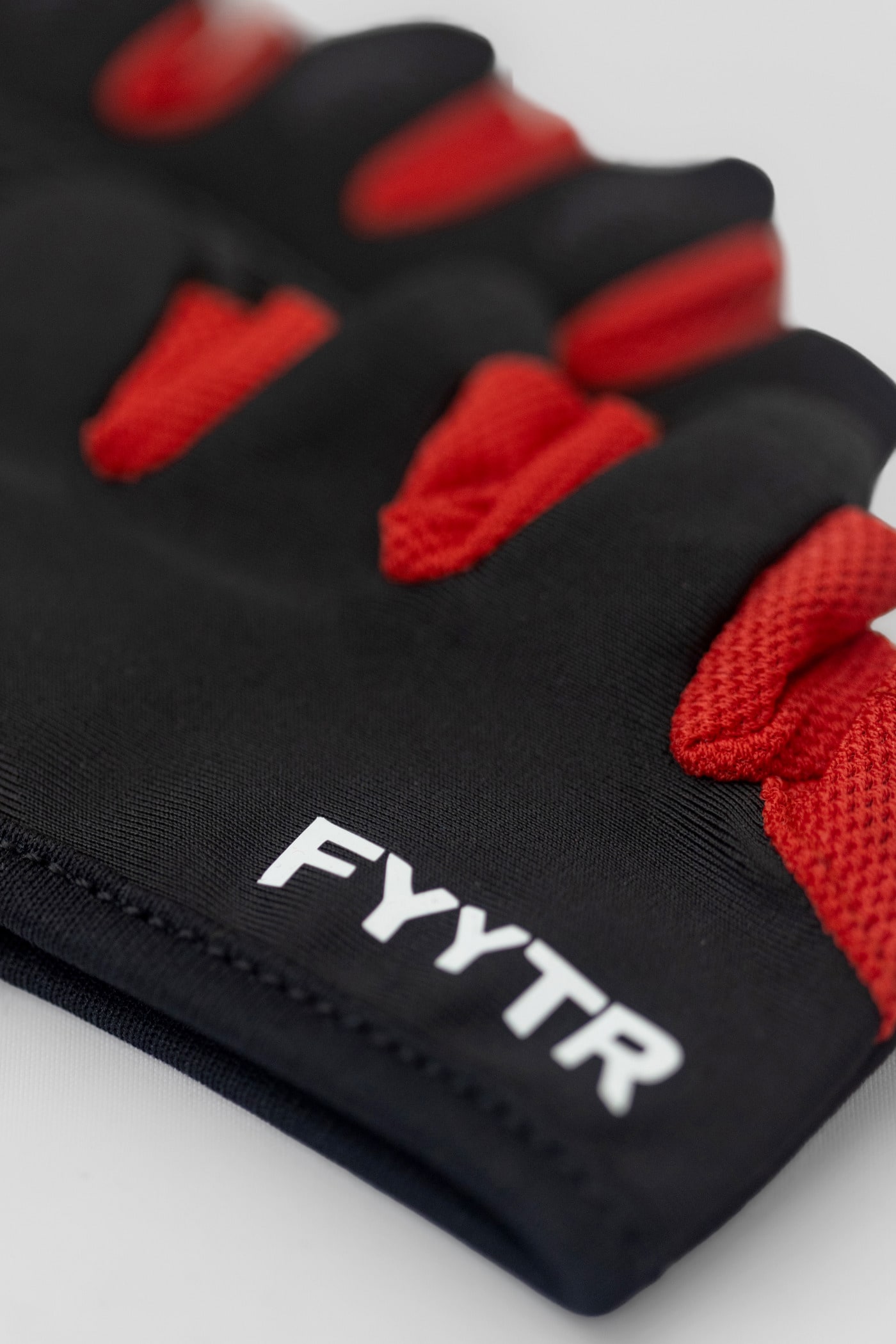
Gym gloves solve grip comfort, callouses and slipping on sweaty bars. They do not make you stronger and they slightly reduce how much of the bar you feel. For general training that is a good trade. For near-maximal barbell pulling it usually is not, and chalk is the better answer.
Here is who genuinely benefits, and what to look for if you buy a pair.
What do gym gloves actually do?
Three things, none of which is adding strength.
They spread pressure. A loaded bar concentrates force on a narrow strip across the base of the fingers. A padded palm distributes that across more surface, which is the difference between a comfortable set and one you cut short because your hands hurt rather than your muscles.
They stop callous formation and tearing. Callouses form where skin pinches and rolls against knurling. Gloves prevent the pinch. Anyone who has torn a callous mid-set understands why this is the most common reason people start.
They add friction on a wet bar. In a hot gym, a steel bar with sweat on it is genuinely slippery. A textured palm restores grip that sweat took away.
What they do not do is increase your grip strength or let you lift more. Any pair marketed on that basis is selling you something else.
Who should wear them?
| You | Gloves? | Why |
|---|---|---|
| General strength and hypertrophy training | Yes | Comfort and callous control, no real downside |
| Machines, dumbbells, cable work | Yes | All the benefit, none of the bar-feel concern |
| Heavy deadlifts near your max | No, use chalk or straps | Padding adds bar diameter exactly when grip is limiting |
| Olympic lifting | No | Hook grip and bar feel matter more than comfort |
| Shared or public gym equipment | Yes | Hygiene is a legitimate reason on its own |
| Hands that tear or blister easily | Yes | The problem gloves are best at solving |
The pattern is straightforward. The heavier and more grip-limited the lift, the more you want skin on steel. For everything else, comfort wins.
Gloves, chalk or straps?
They solve different problems and are not really competitors.
Chalk dries the hand and increases friction without adding thickness. Best raw grip, full bar feel, and the standard for serious barbell work. The downsides are mess and the fact that many commercial gyms in the UAE do not allow it.
Straps transfer load from your grip to your wrists so you can hold a bar your hands could not. They are for heavy pulling volume specifically, and leaning on them for everything does let grip strength lag.
Gloves are for comfort, callouses and hygiene across general training.
Plenty of people use gloves for most sessions and chalk on their heaviest pulling day. That is a sensible combination rather than an inconsistency.
What to look for in a pair
Fingerless. Full-finger gloves get hot, reduce dexterity and take longer to get on and off. Covering the palm is the point; covering the fingers rarely adds anything for weight training.
Thin padding, not thick. Thick gel padding feels reassuring in the shop and squashes unevenly under load, which creates hot spots and increases effective bar diameter. A thin dense pad across the palm is better than a plush one.
Breathable back. The back of the hand does not need protection, so it should be mesh. Gloves with a solid synthetic back become unpleasant fast in a warm gym.
A secure but adjustable wrist closure. It stops the glove creeping down during pulling movements. It is not a wrist support and should not be sold as one.
Washable. Anything worn on sweaty hands for an hour needs to go in a wash regularly.
Our Palm Support Fitness Gloves are AED 49, fingerless, with a thin dense palm and a mesh back, built to that specification.
How to size them
Measure around your palm at the widest point, just below the knuckles, with your hand flat. Buy to that measurement rather than by feel.
They should be snug with no loose fabric across the palm. Bunched material under a bar creates exactly the pressure point the glove was meant to remove, which is why a glove that is too large is worse than no glove.
A small amount of stretch after the first few sessions is normal. Buying deliberately tight to allow for it is not, because the initial pressure across the knuckles is uncomfortable enough to put you off wearing them.
Looking after them
Same principle as every other piece of training kit: the enemy is trapped sweat.
Wash them regularly, cold, in a mesh bag with your other gear. Air dry, never on a radiator, because heat hardens the palm padding. Do not leave them balled up in the bottom of a gym bag between sessions, which is how they end up smelling worse than anything else you own.
A gym pouch at AED 69 keeps gloves, a strap and a towel together and out of the bottom of the bag. Our full routine for kit that lives in sweat is in how to clean boxing gear, and it applies to lifting gloves without modification.
The honest answer
If your hands hurt, tear, or slip, buy gloves. They are AED 49 and they fix a real problem.
If you are chasing a deadlift personal best, take them off for that lift and use chalk. And if your grip is the thing limiting your pulling, train grip directly rather than solving it with equipment, because that is a strength problem wearing a comfort problem's clothes.
Common questions
Yes for comfort, callouses and grip on sweaty bars. They do not make you stronger, and they slightly reduce direct bar feel. For most general training that trade is worth it.
Not meaningfully. Padding adds a small amount of bar diameter, which can make very heavy pulling marginally harder. For everything below near-maximal deadlifts the effect is negligible.
Chalk gives better raw grip and full bar feel, and is preferred for heavy barbell work. Gloves are better for comfort, hygiene on shared equipment, and gyms that do not allow chalk. Many people use both.
Largely yes. They stop the pinching between skin and bar knurling that forms and then tears callouses, which is the most common reason people start wearing them.
For most training, yes. They cover the palm where pressure and friction occur while leaving the fingers free for dexterity and heat release.
Shop the kit


Keep reading
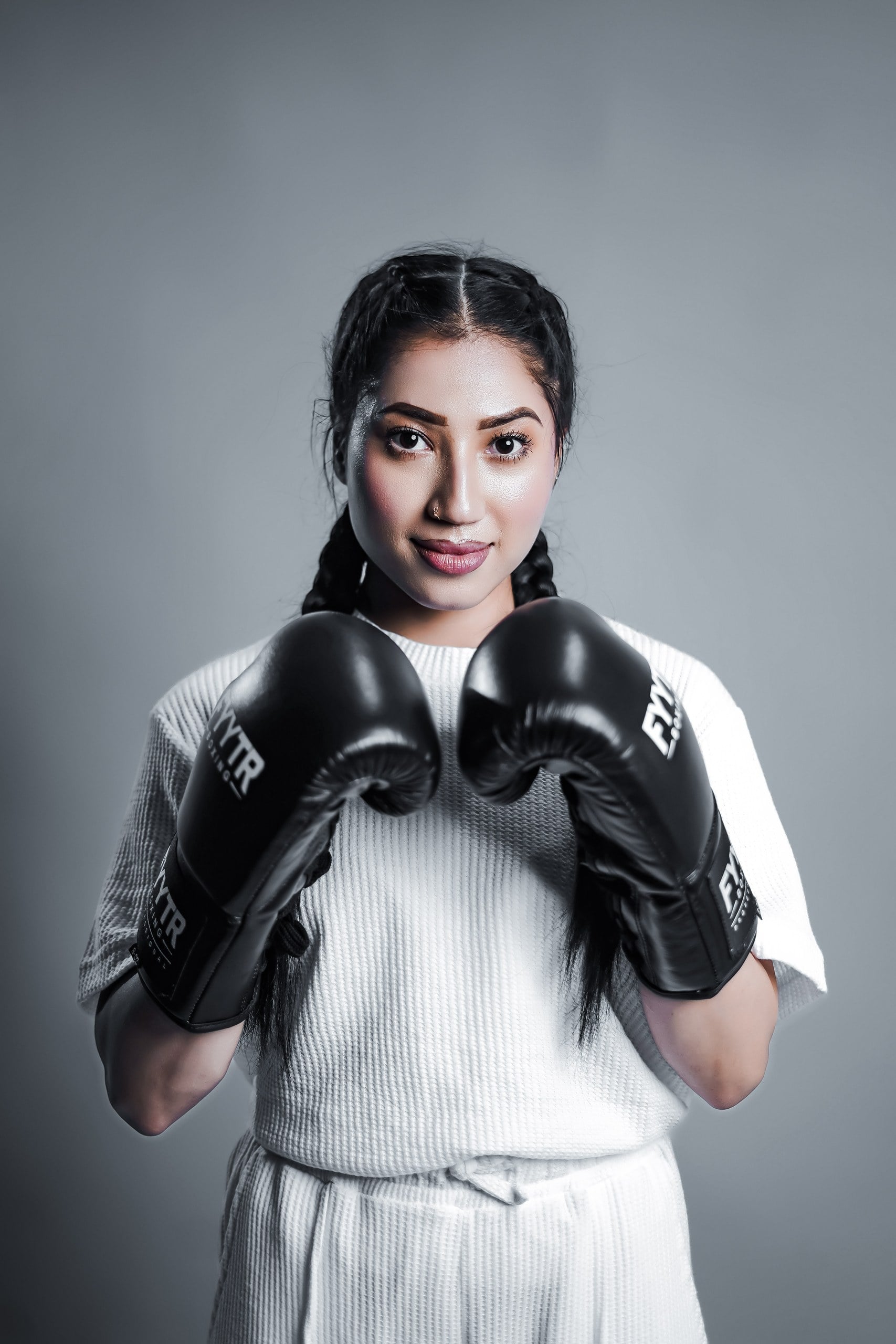
Gear guides3 min read
Boxing Gear for Women: What Actually Fits
Glove sizing by hand rather than by label, wraps that are not too long, and what to wear in a UAE gym. Written for people the standard sizing does not fit.
Gear guides3 min read
Boxing Mouthguards: How to Choose and Fit One
A boil-and-bite mouthguard fitted properly protects better than an expensive one fitted badly. How to pick, how to mould it, and when to replace it.
Gear guides2 min read
Gifts for Boxers: What They Actually Want
Ideas from AED 49 to AED 379, sorted by what someone who trains will genuinely use. Written by people who watch this gear come back for repairs.