Gear guides
How to Clean Boxing Gear and Kill the Smell
Gloves, wraps, headgear and pads all fail the same way: trapped sweat. A per-item routine that doubles the life of your kit and ends the smell for good.
5 min read
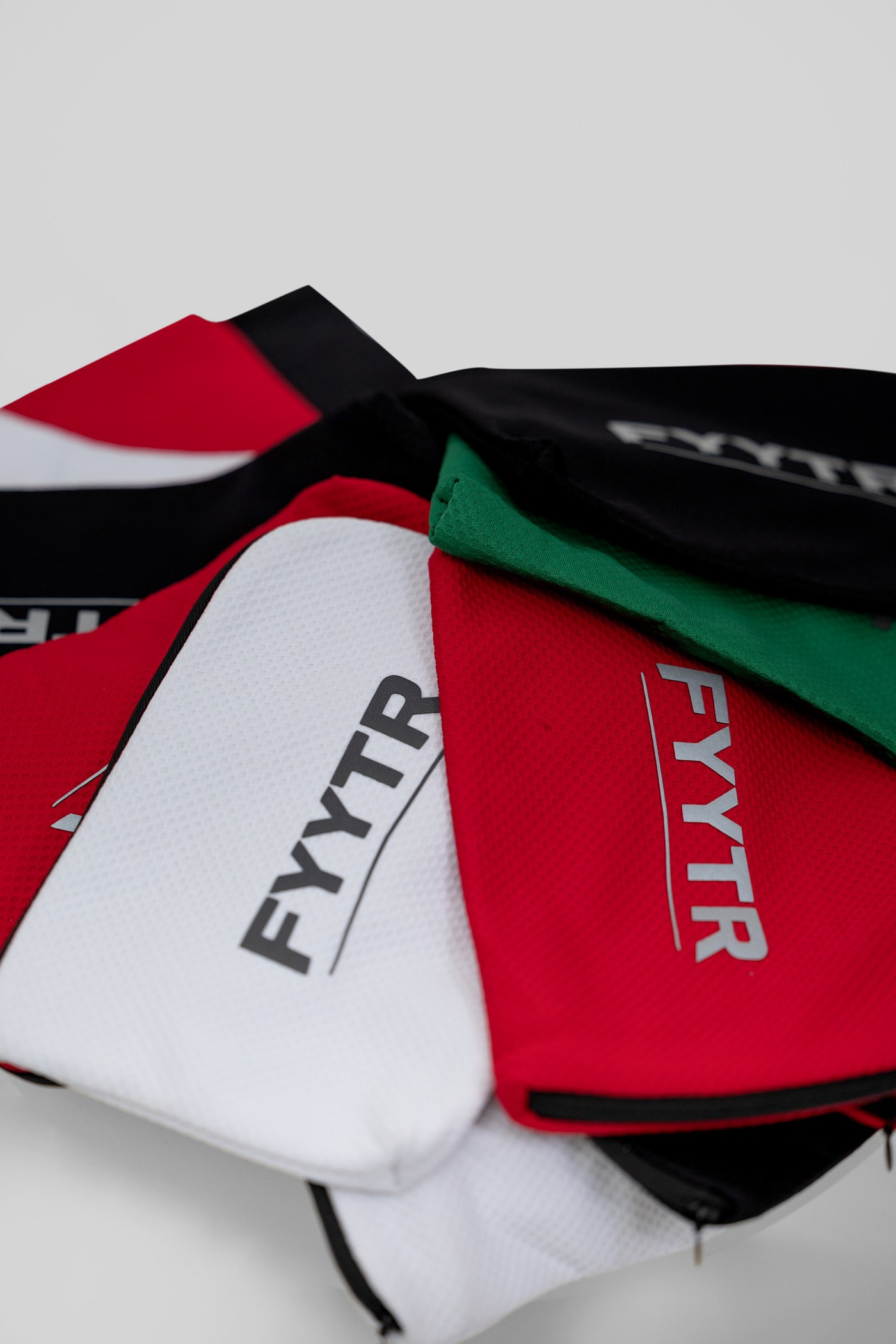
Almost every piece of boxing kit fails for the same reason: trapped sweat sitting in foam between sessions. Not impact, not wear, not age. Moisture breaks down padding, feeds the bacteria that cause the smell, and it is entirely preventable with about ninety seconds of work after each session.
Here is the routine, item by item.
Why does boxing gear smell?
Bacteria living in damp padding. That is the whole mechanism.
Your hands sweat heavily inside a glove, which is a sealed, warm, unventilated space. The moisture soaks into foam that has no way to dry if the glove goes straight into a zipped bag. Bacteria multiply in exactly those conditions and produce the smell people associate with boxing gyms.
This matters beyond the smell, because the same moisture degrades the foam cell structure that gives padding its rebound. Gloves that smell are usually gloves that are also losing their protective quality.
Which means the fix for the smell and the fix for durability are the same fix: get the moisture out, and stop as much of it going in as possible.
Boxing gloves: what to do and what never to do
Never submerge them and never machine wash them. Water goes into foam easily and leaves slowly. A soaked glove takes days to dry through and comes out with compressed, degraded padding. This is the single most damaging thing people do to gloves with good intentions.
The routine after every session:
- Take them out of the bag immediately. This one habit does more than everything else combined.
- Wipe the inside lining with a cloth, or an antibacterial spray, or a 1:3 white vinegar and water mix. Vinegar smell disappears as it dries.
- Open the cuffs wide and stand them palm-up so air can reach the inside.
- Dry at room temperature, away from direct sun and away from a radiator or a hot car. Heat cracks leather and hardens foam.
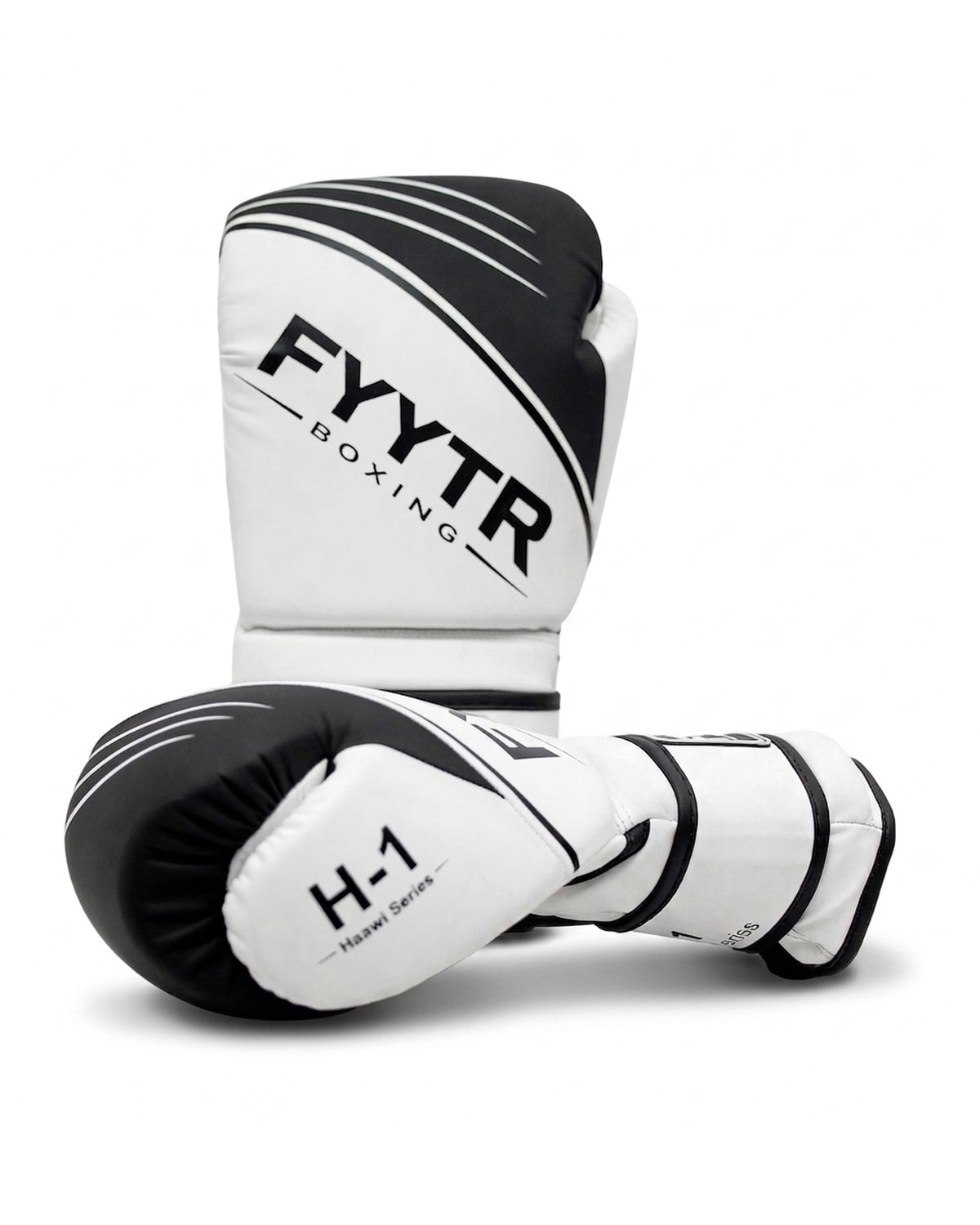
Once a month, treat leather gloves with a leather conditioner on the outside only. Our Haawi H-1 and the Mulakim M-1 both benefit from this, and it takes about two minutes.
Hand wraps: wash them every time
This is not a preference. Wraps are designed to absorb sweat, they succeed, and an unwashed wrap is a used gym towel wrapped around your knuckles.
- Machine wash cold in a mesh laundry bag. The bag is essential. Loose wraps tangle around everything in the drum and emerge as a single knot.
- Or hand wash in the sink with a little detergent. Two minutes.
- Dry unrolled and hanging. A rolled damp wrap stays damp in the middle for days.
- Do not tumble dry semi-elastic wraps. Heat kills the stretch and a wrap that has lost its give will slide.
Own two pairs if you train more than twice a week, because wraps take most of a day to dry. Laaf hand wraps are AED 49, which makes a second pair a trivial purchase against the problem it solves.
Headgear and pads
Both are leather or synthetic shells over foam, so the glove rules apply with one addition: they hold sweat in places that are harder to reach.
Headgear. Wipe the inner lining and the chin strap after every use. The forehead band is where most of the sweat collects and the part people miss. Dry it open rather than folded, and never leave it under other kit in a bag where the padding is compressed while wet.
Focus pads and paddles. These absorb sweat from the coach's hands on the inside and from everyone else's gloves on the outside. Wipe both surfaces. Murabbi focus pads and coaching paddles live harder lives than most gear because they are used session after session by different people.
For anything leather, an occasional conditioner treatment keeps the outer from drying and cracking. Never soak, never machine wash, never apply direct heat.
Clothing and towels
Straightforward, with two things people get wrong.
Wash technical fabric cold and skip the fabric softener. Softener coats synthetic fibres and destroys the wicking property you paid for. The shirt keeps looking fine and stops working.
Do not leave kit in the bag overnight. A damp technical shirt in a sealed bag develops a smell that survives normal washing, because the bacteria get established in the fibre. Once that happens you need a soak in a vinegar solution to reset it, which is avoidable by simply emptying the bag.
A pack of sweat towels at AED 49 for two is worth having specifically so you are not drying your face on the shirt you are about to seal in a bag.
Storage: where most of the damage happens
Gear rots in bags. A gym pouch at AED 69 solves part of this by keeping the wet items, wraps and gum shield, together and away from everything else, but the pouch still has to come out of the bag at home.
The routine that works:
- Empty the bag on the day, every time.
- Wraps to the wash, gloves open to the air, towel to the wash.
- Gum shield rinsed and left in a ventilated case, never a sealed one.
- Nothing goes back into the bag until it is completely dry.
Ninety seconds. It roughly doubles the working life of a set of gear and it ends the smell permanently, which is a better return than any product you can buy for the purpose.
What about the popular tricks?
Freezing gloves. Suppresses bacteria for a while but does nothing about the moisture that lets them return, and repeated freeze cycles are not kind to foam or leather. Drying properly is strictly better.
Newspaper stuffed in gloves. This one genuinely works as a moisture absorber overnight. Cedar or bamboo glove inserts do the same job and are reusable.
Antibacterial sprays. Useful as part of the routine, useless as a substitute for it. Spraying a wet glove and sealing it in a bag treats the symptom and preserves the cause.
Cleaning buys you time, but it does not buy you forever. When the padding stops springing back no routine will save it, and how often to replace boxing gloves covers the five signs a pair is finished.
Common questions
Not in a machine and not submerged. Water soaks into the foam, takes days to leave, and breaks the padding down. Wipe the lining, dry them open, and use wraps so less sweat gets in.
The smell is bacteria in damp foam. Dry the gloves fully after every session, wear hand wraps so sweat is absorbed before it reaches the lining, and wipe the inside with a diluted vinegar or antibacterial spray.
After every session. They are designed to absorb sweat, and unwashed wraps are the usual cause of both skin problems and glove smell.
It is a popular tip and it does not work well. Freezing suppresses bacteria temporarily but does nothing about the moisture that lets them return, and repeated freezing is not good for foam or leather.
Wipe the inside lining with a damp cloth after each use, let it dry away from direct heat, and treat the outer leather occasionally with a leather conditioner. Never soak it.
Shop the kit


Keep reading

Gear guides3 min read
Boxing Gear for Women: What Actually Fits
Glove sizing by hand rather than by label, wraps that are not too long, and what to wear in a UAE gym. Written for people the standard sizing does not fit.

Gear guides3 min read
Boxing Mouthguards: How to Choose and Fit One
A boil-and-bite mouthguard fitted properly protects better than an expensive one fitted badly. How to pick, how to mould it, and when to replace it.
Gear guides2 min read
Gifts for Boxers: What They Actually Want
Ideas from AED 49 to AED 379, sorted by what someone who trains will genuinely use. Written by people who watch this gear come back for repairs.