Gear guides
How Often Should You Replace Boxing Gloves?
Training three times a week, most gloves last twelve to eighteen months. Here are the five signs yours are finished, and what happens if you keep using them.
3 min read
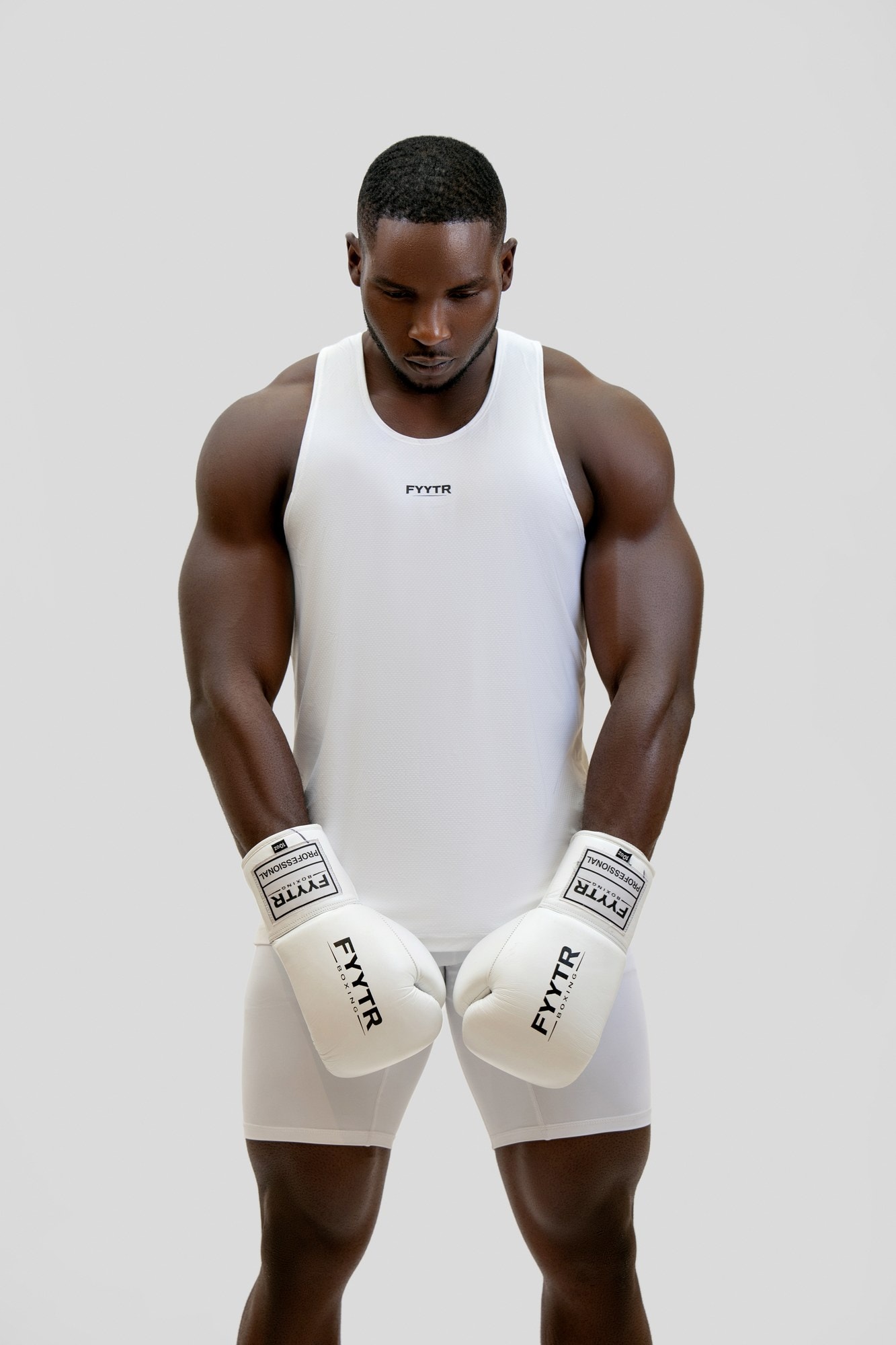
Training three times a week, expect twelve to eighteen months from a pair of training gloves. Train daily and it is closer to six or eight. The number matters less than the signs, though, because gloves fail from the inside and the outside is the last thing to go.
The test that actually works: make a fist inside the glove and press the knuckle padding hard against a table edge. If you can feel the shape of your knuckles through it, the foam is done.
What are the signs boxing gloves are worn out?
Five, roughly in the order they show up.
The padding stops springing back. Press it and it stays dented for a second before recovering. That is the foam breaking down, and it is the one that matters most.
The wrist strap will not hold. If you have to pull it tighter every session to get the same support, the elastic has gone.
The lining tears at the fingertips. Once your fingers push through, the wrap catches on every entry and the glove starts to smell in a way washing will not fix.
Seams open at the thumb. That is where the stress goes and where a cheap glove fails first.
And the smell stops responding. Covered fully in how to clean boxing gear, but a glove that smells after airing and cleaning has bacteria in the foam.
What happens if you keep using dead gloves?
Your hands take the difference. Padding exists to spread impact across the knuckles and slow the hand down before it stops. When the foam compresses, the force goes into the small bones behind the knuckles instead.
That is how boxer's fracture happens, and it usually happens to people who have been training long enough to hit hard and long enough to have worn their gloves out. The wrist is the second casualty, because a strap that no longer tightens lets the joint move on impact.
The person holding pads for you takes it too. A dead glove hits like a hammer, and coaches feel it before you do. If your coach starts flinching, listen.
Do more expensive gloves last longer?
Usually, and the reason is the material rather than the badge. Synthetic gloves crack where they flex, and UAE heat accelerates it. Leather softens instead of splitting, and good leather keeps its shape for years.
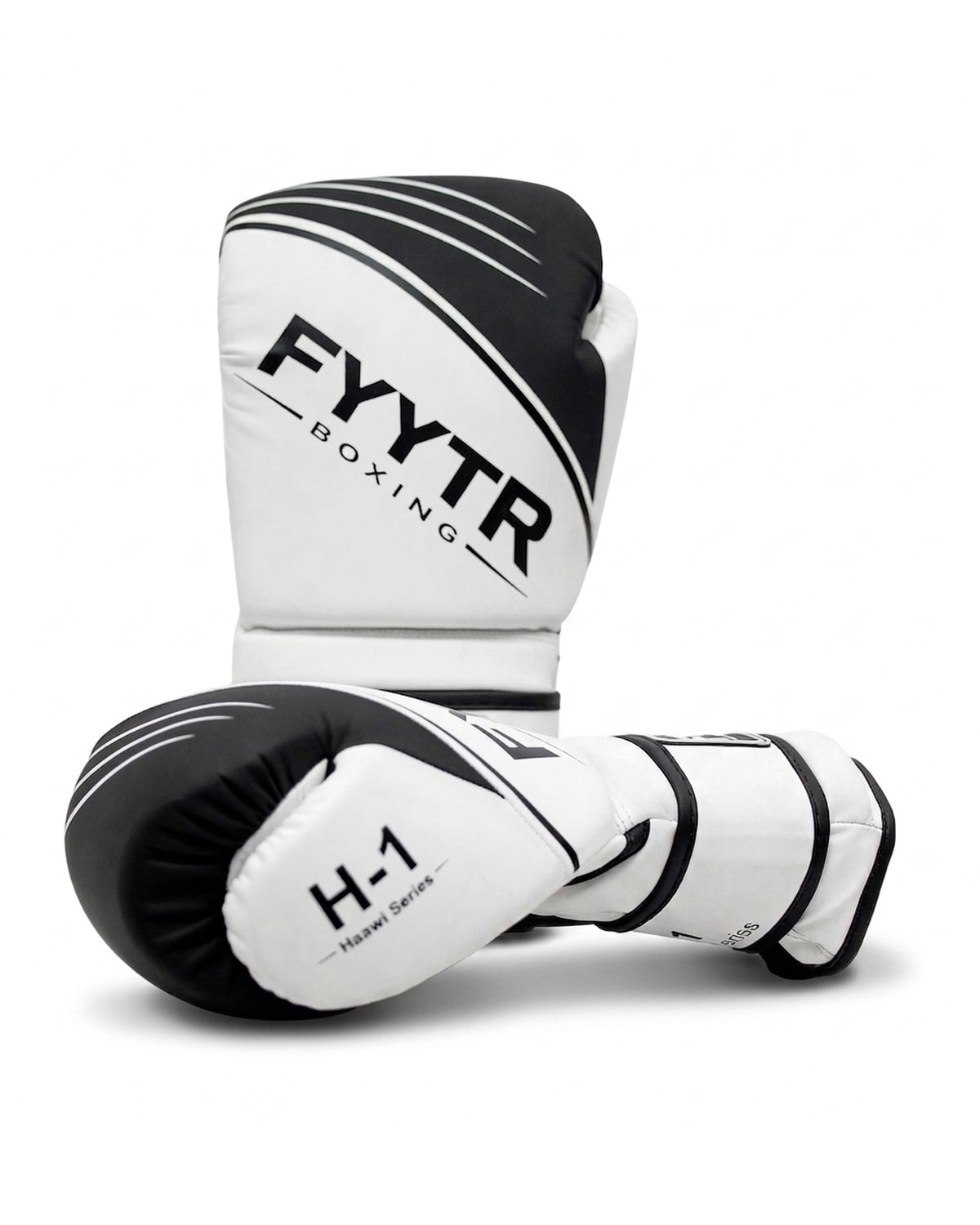
Our Haawi H-1 at AED 199 is built for the twelve to eighteen month cycle: the pair you train in hard and replace without thinking about it. The Mulakim M-1 at AED 379 is premium leather, and cared for properly it will outlast three pairs of anything synthetic.
The full comparison is in leather vs synthetic boxing gloves.
How do you make boxing gloves last longer?
Take them out of the bag. That is most of it. A glove sealed in a kit bag stays damp for hours and the foam breaks down faster in damp.
Pull the cuff open and stand them upright somewhere with moving air, never in direct sun and never on a radiator or in a hot car. Heat is what kills gloves in this climate.
Wipe the lining out with a cloth after training rather than waiting for the smell. And wear hand wraps every session, which is the single cheapest thing you can do: the wrap absorbs the sweat that would otherwise go straight into the foam.
Common questions
Twelve to eighteen months for someone training three times a week. Daily training halves that. Good leather gloves cared for properly can go three years or more.
Stitching at the seams and thumb can be repaired by a leatherworker. Compressed padding cannot. Once the foam has flattened, the glove is finished no matter how good the outside looks.
Yes, slowly. Foam degrades and leather dries out, faster in heat. A pair left in a car boot through a UAE summer will age more in three months than in a year of training.
Shop the kit

Keep reading

Gear guides3 min read
Boxing Gear for Women: What Actually Fits
Glove sizing by hand rather than by label, wraps that are not too long, and what to wear in a UAE gym. Written for people the standard sizing does not fit.

Gear guides3 min read
Boxing Mouthguards: How to Choose and Fit One
A boil-and-bite mouthguard fitted properly protects better than an expensive one fitted badly. How to pick, how to mould it, and when to replace it.
Gear guides2 min read
Gifts for Boxers: What They Actually Want
Ideas from AED 49 to AED 379, sorted by what someone who trains will genuinely use. Written by people who watch this gear come back for repairs.