Gear guides
Leather or Synthetic Boxing Gloves: Which Lasts?
Leather outlasts synthetic by years, but only matters if you train often. How to tell real leather from a marketing word, and when synthetic is the smarter buy.
5 min read
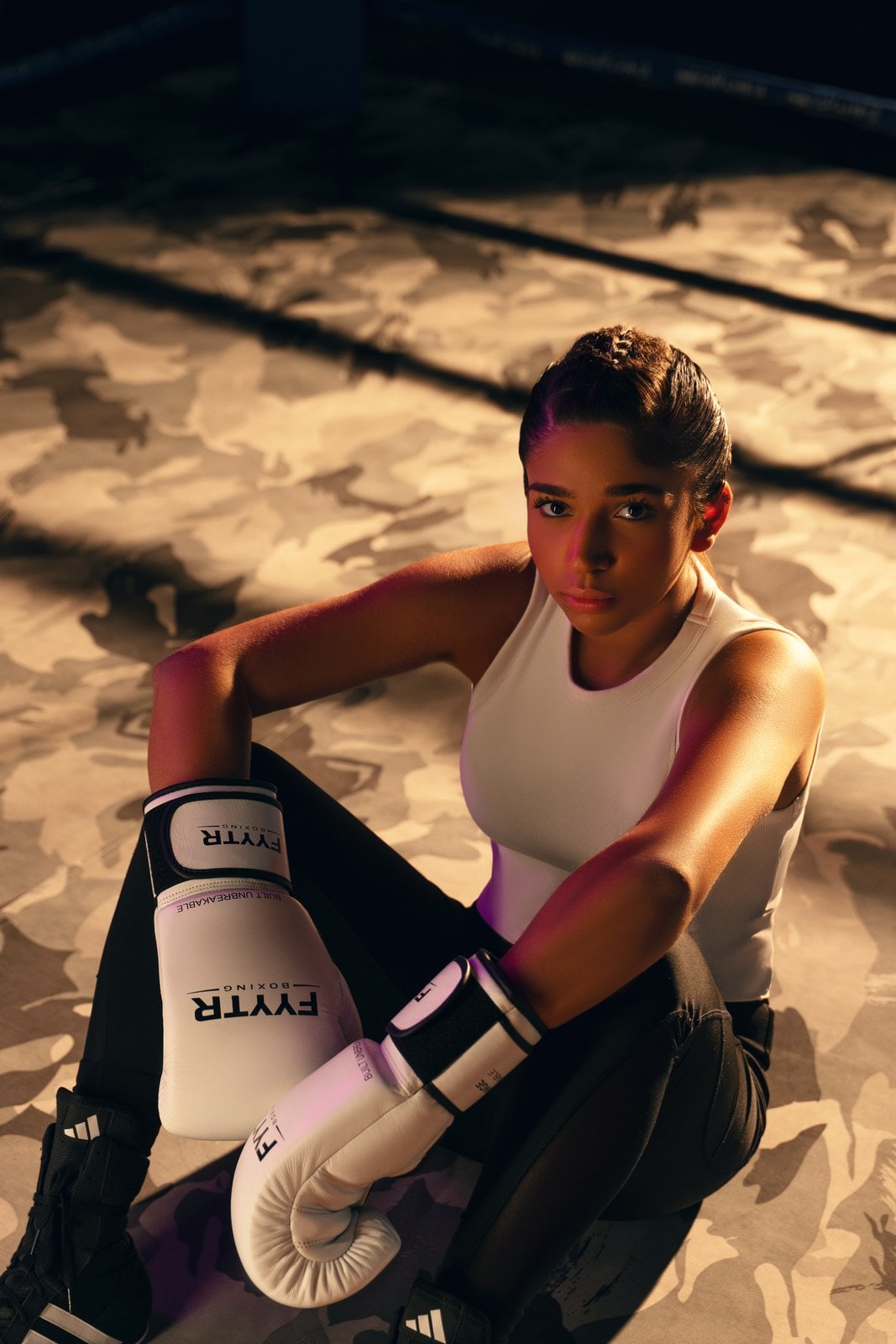
Leather lasts longer, and it is not close: two to four years against six to eighteen months at the same training frequency. But the honest answer to "should I buy leather" is only if you train more than twice a week. Below that, a good synthetic glove will reach the end of your interest in it before it reaches the end of its life.
Here is what actually differs, and how to tell what you are being sold.
What actually kills a boxing glove?
Not the outside. The foam.
Gloves fail when the padding over the knuckles compresses into a dense flat pad that no longer spreads impact. You can usually feel it before you can see it: the glove starts transmitting a sharper knock through to the hand, and the knuckle area looks slightly sunken when you hold the pair side by side.
Sweat is what accelerates this. Moisture soaks into the foam, sits there between sessions, and breaks down the cell structure that gives the padding its rebound. The outer material's real job is to let that moisture out.
This is why breathability beats toughness as a buying criterion, and why the material argument matters at all.
How much longer does leather actually last?
| Material | Training 1x a week | Training 3x a week | Why |
|---|---|---|---|
| PU synthetic | 18 months to 2 years | 6 to 12 months | Traps moisture, coating cracks at flex points |
| Good synthetic blend | 2 to 3 years | 12 to 18 months | Better lining, still non-breathable outer |
| Full-grain leather | 4 years plus | 2 to 4 years | Breathes, holds shape, softens rather than cracks |
Run the cost across a few years rather than at the till. A AED 379 leather pair replaced once in four years costs less than a AED 150 synthetic pair replaced three times, and you spend those years in a glove that fits properly rather than one that is halfway through packing down.
That calculation flips completely if you train once a week. At that rate a synthetic pair lasts years, and the money is better spent elsewhere.
How do you tell real leather from a marketing word?
"PU leather", "engineered leather", "leatherette" and "synthetic leather" all mean polyurethane on a fabric backing. It is a legitimate material and often the right one at the price, but it is not leather and it does not behave like it.
Three checks that work in person:
- Grain. Real leather has an irregular, non-repeating grain. Synthetic is stamped, so the pattern repeats if you look across a wide panel.
- Fold. Press a thumb into the surface. Leather wrinkles softly and springs back. Synthetic creases into a sharp fold and holds the line.
- Smell. Leather smells like leather. Synthetic smells faintly of plastic or of nothing.
Buying online, look for the phrase "full-grain" or "genuine leather" stated plainly. Vagueness in the material description is usually deliberate.
When is synthetic the better buy?
More often than glove snobbery admits.
Synthetic is the right choice if you are doing fitness boxing classes, if you are not yet sure the sport will stick, if you need a second pair to leave in a bag, or if you are buying for a child who will outgrow the fit before the foam gives out. It arrives lighter, costs less, and wipes clean.
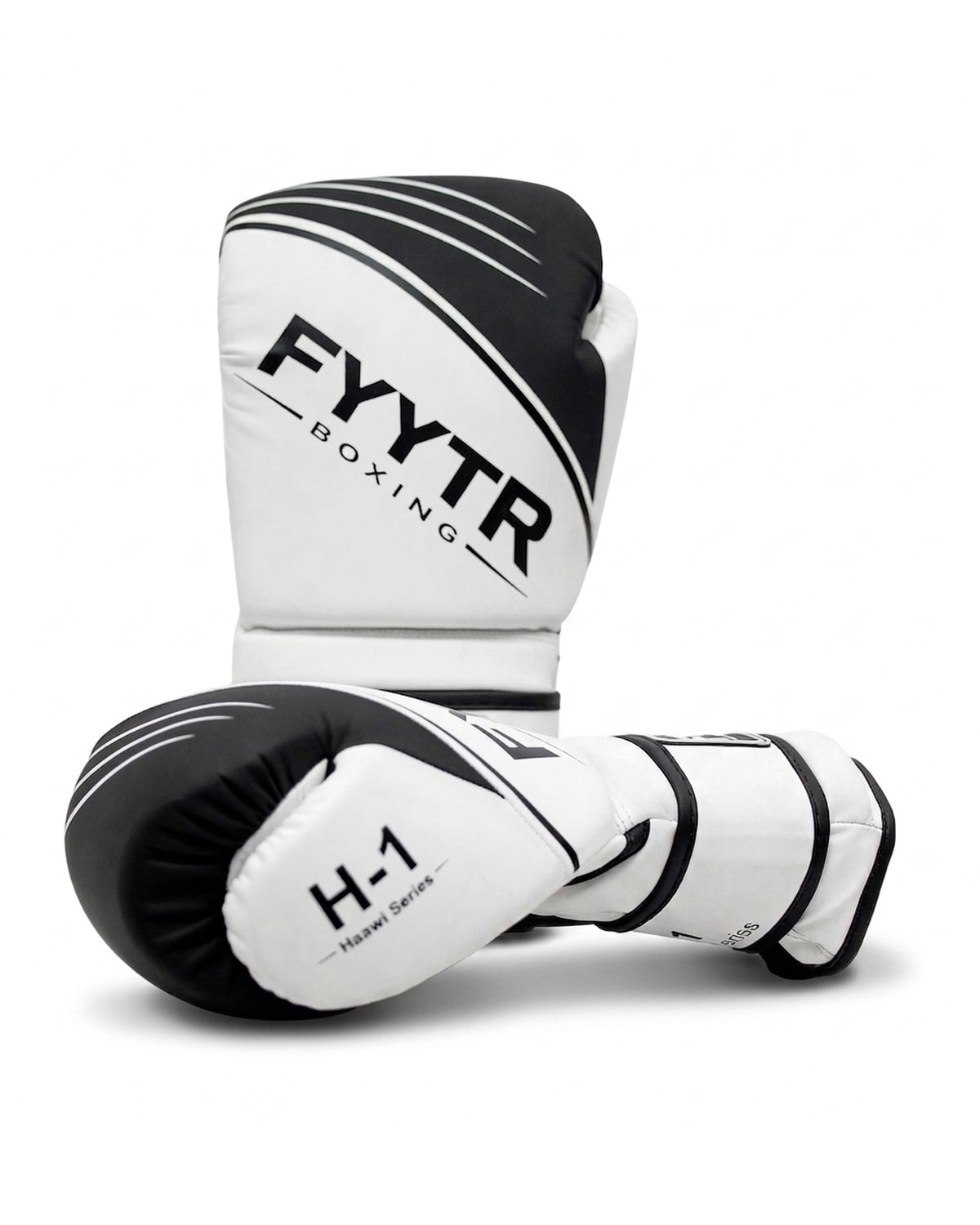
The Haawi H-1 at AED 199 is built for this middle ground: layered foam and a proper long cuff at a price that does not assume you have already committed to four sessions a week. Haawi is the Arabic word for an amateur, someone who trains for love of it, and the glove is specified honestly for that person.
When is leather worth it?
When your training frequency means the foam is under real load, and when you spar.
At three or more sessions a week you are putting enough cumulative impact through the padding that its recovery between sessions becomes the limiting factor. Leather's breathability is what gives the foam a chance to dry and rebound. That is the mechanism behind the durability numbers, not the toughness of the hide.
Sparring adds a second reason. A glove that has packed down unevenly transfers more to your partner than the ounce rating suggests, and you will not necessarily notice from the inside.
The Mulakim M-1 at AED 379 is our full leather pair. Mulakim is simply the Arabic word for boxer, which is who it is specified for.
How to make either pair last longer
Material choice matters less than what you do after training. Four habits that add real time to a glove:
- Wear hand wraps, every session. Laaf hand wraps at AED 49 absorb the sweat that would otherwise go straight into the lining. This is the single highest-return habit.
- Take them out of the bag. Gloves left zipped in a kit bag stay wet for a day. Open the cuffs and let air through.
- Dry them palm-up, away from direct heat. A hot car or a radiator dries leather out and cracks it. Room air is better and slower.
- Alternate pairs if you train daily. Foam recovers over roughly 24 hours. Daily training in a single pair compresses padding faster than the sum of the sessions suggests.
Do all four and a mid-range synthetic can outlast a neglected leather pair. Skip them and no material saves you.
The short answer
Training once or twice a week, buy a good synthetic and spend the difference on wraps and a gum shield. Training three or more times a week, or sparring at all, buy leather and expect it to be the last pair for a few years.
Either way, the glove weight matters more than the material for how the glove protects you, and the full UAE buyer's guide covers what a fair price looks like here.
Whichever material you land on, the replacement cycle is the number that decides the real cost. How often to replace boxing gloves puts figures against both.
Common questions
Yes, typically two to four years against six to eighteen months for synthetic at the same training frequency. Leather breathes and holds its shape while the foam ages, so the glove fails later.
If you train three or more times a week, yes. A leather pair at AED 379 outlasts two or three synthetic pairs. Training once a week, a good synthetic glove is the sensible buy.
Polyurethane, a synthetic coating on a fabric backing. It is not leather. It performs well when new and is often the right choice on a budget, but it does not breathe and it cracks as it ages.
Real leather has an irregular grain, a distinct smell, and softens where it flexes. Synthetic has a uniform repeating pattern and creases into sharp folds rather than softening.
Compressed foam, not the outer material. Sweat trapped in the lining accelerates it, which is why breathability matters more than toughness and why hand wraps extend glove life.
Shop the kit


Keep reading

Gear guides3 min read
Boxing Gear for Women: What Actually Fits
Glove sizing by hand rather than by label, wraps that are not too long, and what to wear in a UAE gym. Written for people the standard sizing does not fit.

Gear guides3 min read
Boxing Mouthguards: How to Choose and Fit One
A boil-and-bite mouthguard fitted properly protects better than an expensive one fitted badly. How to pick, how to mould it, and when to replace it.
Gear guides2 min read
Gifts for Boxers: What They Actually Want
Ideas from AED 49 to AED 379, sorted by what someone who trains will genuinely use. Written by people who watch this gear come back for repairs.