Training
Training During Ramadan: A Practical Guide
When to train while fasting, what to expect from your performance, how to handle hydration in UAE heat, and what to cut so you keep your conditioning.
5 min read
Train 60 to 90 minutes after iftar if you want a hard session, or in the hour before iftar if you want a light one. Cut your volume by about a third, keep the weight on the bar, and treat the month as maintenance rather than progress. That combination holds almost all of your fitness.
The mistake is not training too little during Ramadan. It is training the same way and wondering why everything feels worse.
When should you actually train?
Three windows, each with a different job.
After iftar, 60 to 90 minutes. The best window for any hard session. You have eaten and taken on fluid, you can drink during training, and you can eat again afterwards. Most UAE gyms shift their class timetable to run late for exactly this reason.
Just before iftar. Good for lighter technique work, mobility or an easy bag session. You finish depleted, but you break your fast immediately after, which limits how long you stay that way. Do not schedule anything demanding here.
Before suhoor. Works for people who are already awake. It is early, quiet, and you can drink and eat right after. The cost is sleep, and sleep is already the scarce resource this month.
The window to avoid is mid afternoon, when you are furthest from both your last drink and your next one.
What happens to your performance?
Strength holds up better than you expect. Endurance does not.
Short, heavy efforts rely on energy systems that are not much affected by a day of fasting, so a set of five in a squat feels close to normal. What suffers is anything that runs longer than about a minute at a hard pace, which is exactly what boxing rounds and conditioning circuits are.
Expect your first week to feel disproportionately bad. Most of that is the change in sleep and caffeine rather than the fasting itself, and it settles by the second week for most people.
Grip and coordination fade late in a session more noticeably than usual. In a boxing context that shows up as hands dropping in the third round, which is worth knowing before you decide you have got worse at boxing.
How should you change the programme?
Cut sets, not weight. Cut rounds, not intensity.
If you normally do four working sets, do three. If you normally box six rounds, do four. Keeping the load and the pace preserves the quality your body responds to, while reducing the total volume it has to recover from on limited sleep and a compressed eating window.
Two or three sessions a week is a reasonable target for most people during the month, rather than the four or five they might do otherwise.
Drop the accessories before the main work. Nobody has ever lost their conditioning because they skipped arm work for a month. What preserves fitness is a small number of hard, short, well chosen sessions.
If you box, prioritise technique and pads over conditioning rounds. The skill work is lower cost and it is the part that actually degrades if you stop.
What about hydration in this climate?
This is the part that genuinely matters in the UAE.
Fasting removes your ability to replace fluid during the day, and Gulf heat increases what you lose without you noticing. That combination is why the advice here is stricter than it would be in a temperate country.
Train indoors, in air conditioning, for the whole month. Outdoor training while fasting in a UAE summer is the one combination to avoid outright.
From iftar to suhoor, drink steadily rather than in two large amounts. Large volumes at once mostly pass straight through. Include salt with your meals, because you have been sweating all day without replacing electrolytes, and cramping in the last round is more often salt than water.
Keep a towel with you and use it. Sweat sitting on skin in a humid hall is doing nothing to cool you.
Does eating around training matter?
Break the fast lightly, then train, then eat properly.
The common error is a full iftar followed by a session ninety minutes later, which leaves you training on a stomach still doing its work. Dates, water and something small first is enough to train on.
The meal after training is the one that matters. Protein and carbohydrate together, at a normal size, is all the complexity required.
At suhoor, eat something slow rather than something sweet. The specific choices are less important than the general shape: two proper meals in the window, fluid spread across the whole of it, and enough protein across the day that you are not asking your body to hold muscle on nothing.
Anyone with diabetes, blood pressure medication or any other medical condition should take this to a doctor rather than to a blog. Fasting changes how those conditions are managed.
What should you wear?
Light, breathable and indoor appropriate, because you are training in the warmest months of a warm country with no ability to drink beforehand.
A Breeze Tee at AED 129 or anything in a light synthetic knit does the job. Cotton is the wrong choice here for the same reason it is the wrong choice all summer: it absorbs sweat and holds it against you instead of letting it spread and dry, which is covered properly in gym clothes for UAE heat. Aero Mesh Shorts at AED 149 vent where the heat is.
If you are boxing through the month, your gear needs more airing than usual, since more sessions end in a hurry to get home for a meal. Gloves left sealed in a bag overnight after a hot session are how a pair goes bad. The routine is in how to clean boxing gear.
Coming out of the month
Do not try to make it back in the first week.
Most people finish Ramadan slightly lighter, slightly less conditioned and reasonably fresh. The instinct is to immediately return to full volume, and that is where the injuries happen, because tendons and connective tissue have adapted down alongside everything else.
Take two weeks to build back to your normal load. Add sessions first, then volume, then intensity, in that order.
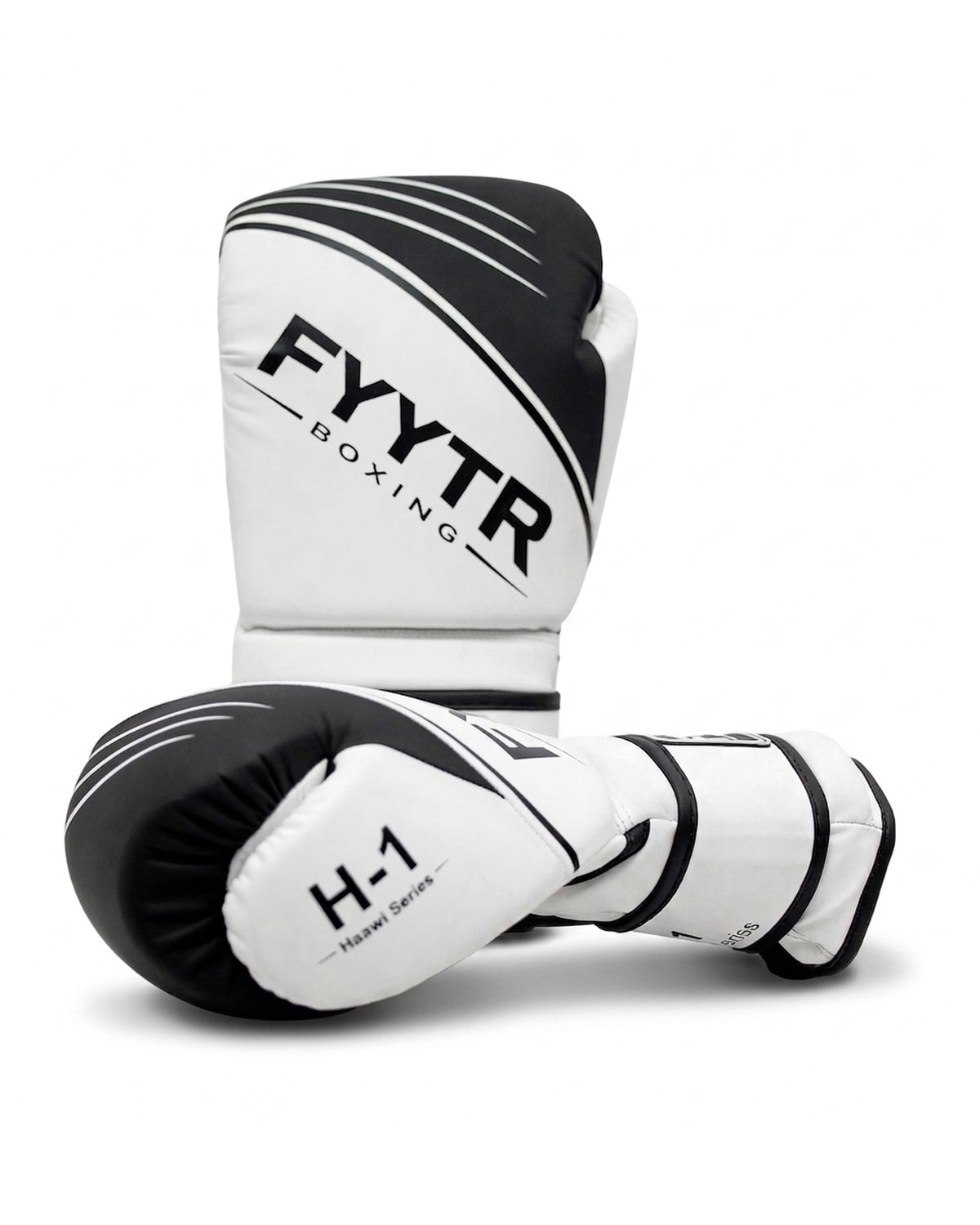
If you box, the technique you kept is the reason you will feel normal again within a fortnight. The conditioning comes back fast. Skill, once lost, does not, which is the whole argument for training a reduced version of the month rather than stopping. A 14oz Haawi H-1 and two quiet sessions a week is enough to keep everything that matters.
Common questions
Around 60 to 90 minutes after iftar is the best window for hard training, because you have eaten and rehydrated. The hour before iftar suits lighter sessions, since you can drink immediately afterwards.
Maintaining is realistic, building is difficult. With eating limited to a window and sleep usually shortened, the sensible goal for most people is to hold strength and conditioning rather than add to it.
Cut volume by roughly a third and keep intensity. Fewer sets of the same weight preserves strength far better than many sets of lighter work.
Train indoors and avoid the middle of the day. Fasting removes your ability to replace fluid, so outdoor training in summer heat while fasting is the combination to avoid entirely.
Break the fast lightly, train, then eat the main meal after. Fluids, dates and something small first, so you are not training on a full stomach or an empty one.
Shop the kit


Keep reading
Training2 min read
How to Start Amateur Boxing in the UAE
What it takes to go from training to competing in the UAE: the club route, the medical, the kit that gets checked, and roughly how long it takes.

Training3 min read
A Four Week Boxing Plan for Complete Beginners
Three sessions a week, no sparring, no gym membership needed for the first fortnight. What to do each week and what to stop doing when it hurts.
Training3 min read
Boxing in Sharjah and the Northern Emirates
Sharjah, Ajman and Ras Al Khaimah have a real boxing scene and lower prices than Dubai. What to look for, what it costs, and how to pick a club.