Training
Starting Boxing in Dubai: Your First 30 Days
A week by week guide to starting boxing in Dubai, from picking a gym and a trial class to what to buy, what it costs and how to handle the heat.
4 min read
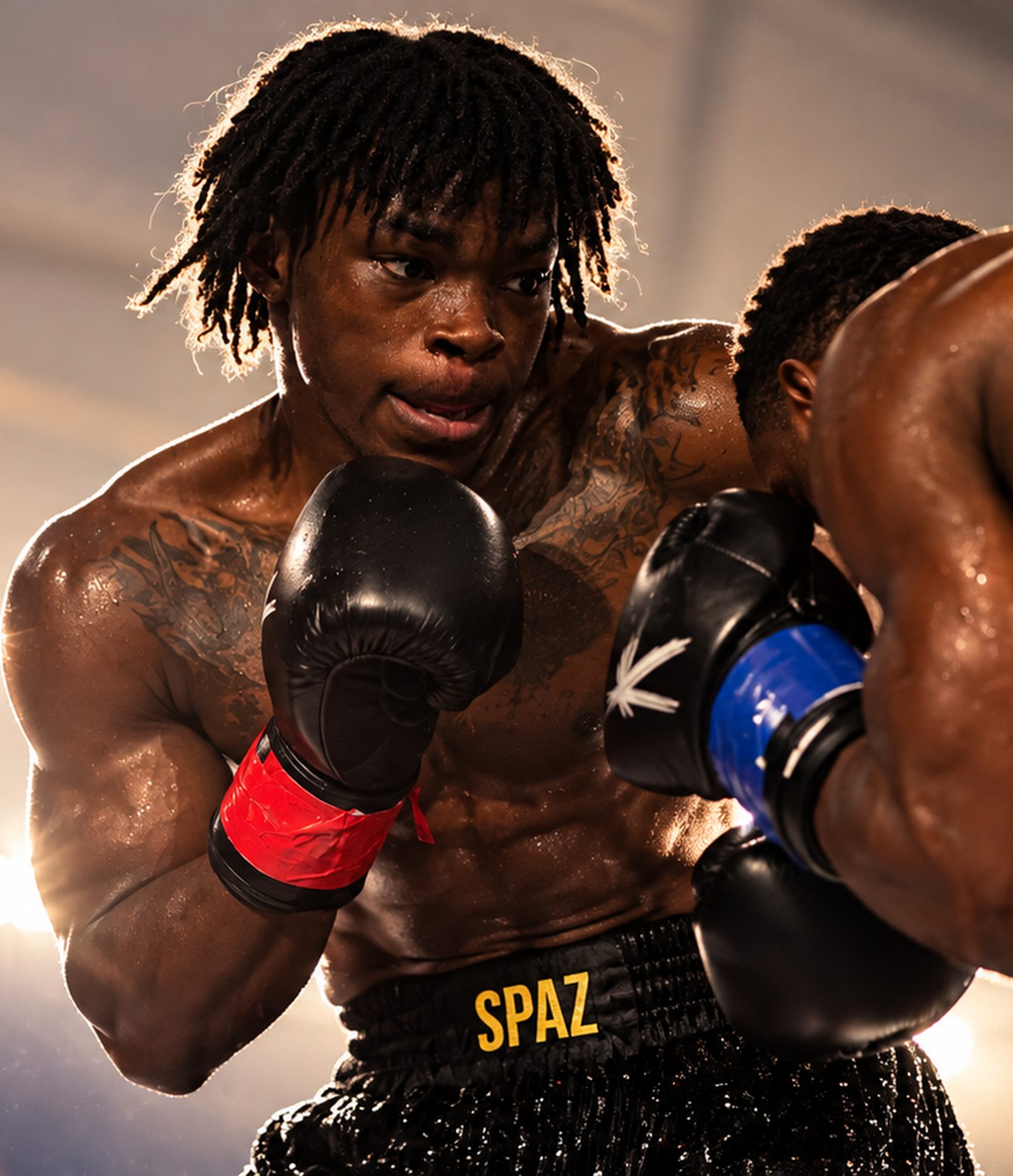
Your first 30 days of boxing in Dubai should look like this: a trial class in week one, your own hand wraps by week two, your own gloves by week three, and two or three classes a week throughout. You will not be sparring, you will not be fit yet, and by day 30 your jab, cross and stance will feel like yours. That is a good month.
Dubai makes this easier than most cities. There are gyms in nearly every district, classes from early morning to late evening, and coaches who teach complete beginners every week. The hard part is not access. It is turning up on day 12 when your shoulders hurt.
Week 1: how to choose a boxing gym in Dubai
Pick on three things: distance, class times and the beginner class itself.
Distance first, because a gym 40 minutes away in traffic will lose to your sofa by week three. Then times, because a great coach at a time you cannot make is no use to you. Then book a trial and watch how the coach treats the newest person in the room.
A good beginner class has a proper warm up, teaches one or two things properly rather than ten things badly, and corrects your stance more than once. Drop-in sessions in Dubai generally run AED 150 to 300, and most gyms offer a free or reduced first class. Boxing gyms in Dubai and Abu Dhabi lists where people train, and your first boxing class covers what to expect on the day.
Week 2: buy hand wraps before anything else
The gym will lend you gloves. Almost none will lend you wraps, and shared wraps are not something you want anyway.
Laaf hand wraps are AED 49. Buy 450cm for adult hands and full wrist support, and learn to put them on at home rather than in a rush before class. How to wrap your hands for boxing shows the method coaches teach.
This is also the week your body complains. Shoulders, calves and forearms ache after the first few sessions because boxing uses them in ways most gym work does not. It fades by the end of week two if you keep going, and gets worse if you stop for a week and start again.
Week 3: buy your own gloves
By now you know you are staying, which is the right time to buy gloves. Gym gloves are wet, stretched to someone else's hand, and rarely the right weight.
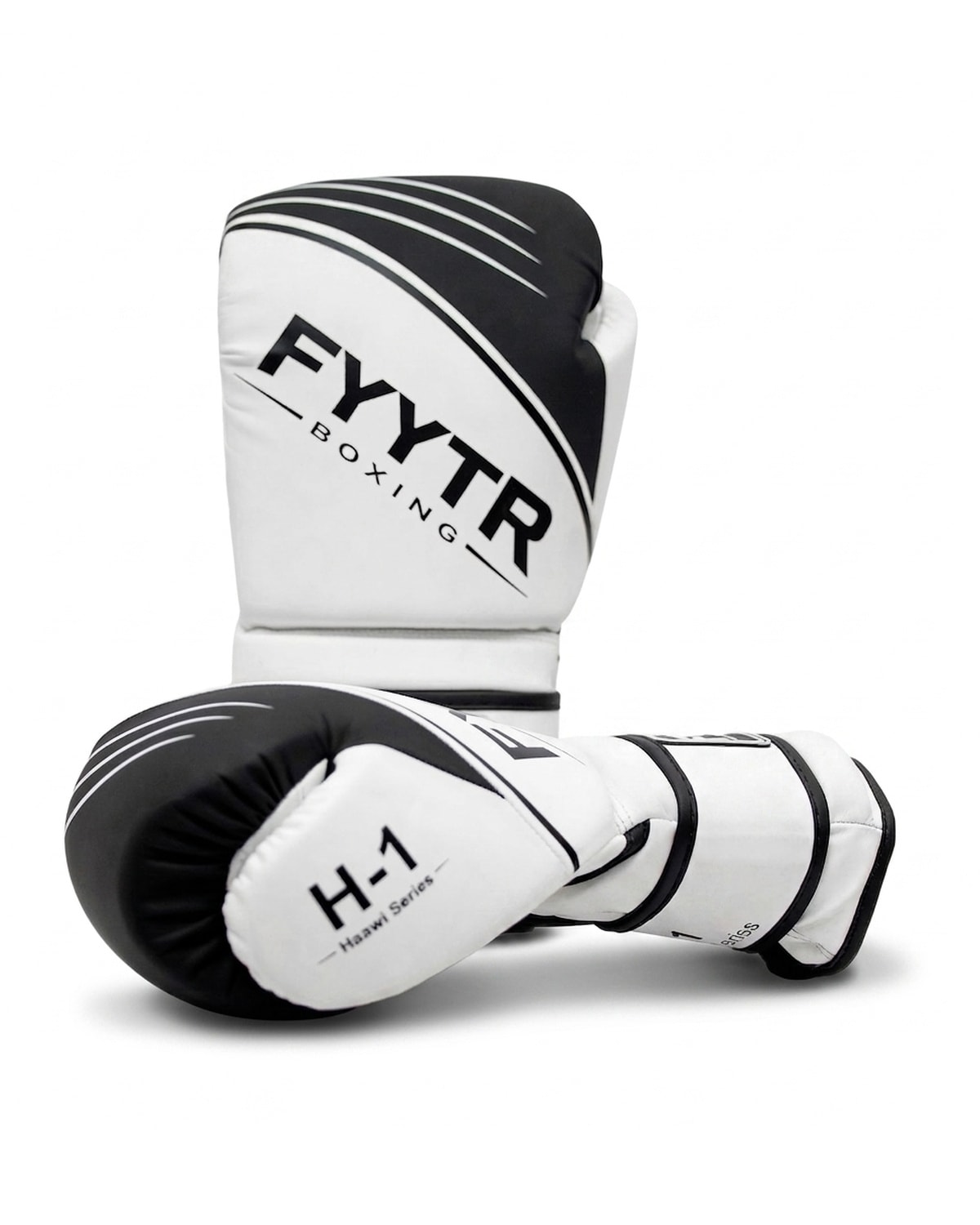
For most adults that means a 14oz training glove. The Haawi H-1 is AED 299 in 14oz, built for bags, pads and light partner work. If you are under about 60kg, 12oz may suit you better; what oz boxing gloves should you buy sizes it by weight.
Wraps and gloves together come to AED 348, which ships free in the UAE, with same or next-day delivery in Dubai if you order before 2pm.
Week 4: what should you be able to do after a month?
By day 30, two or three classes a week should give you a stance you do not have to think about, a jab and cross you can throw on both the bag and the pads, and the first two or three combinations. Boxing combinations for beginners lists the ones most coaches teach first.
Footwork is usually the weakest part at this stage, and it is the part that separates people at month three from people at month six. Ten minutes of footwork drills at home twice a week closes that gap faster than an extra class.
If you want structure between classes, the four week boxing plan for beginners lays out each session.
How do you handle the Dubai heat?
Training is not the problem, because gyms are air conditioned. Getting there is. From May to September a ten minute walk to the gym can leave you dehydrated before the warm up.
Drink properly in the two hours before a session, not just in it. Wear light synthetic kit that does not hold sweat: Aero Mesh Shorts at AED 149 and a technical tee are enough. Keep a towel in your bag; a pack of sweat towels is AED 49 for two. Gym clothes for UAE heat covers the rest.
What comes after the first month?
More of the same, which is the point. The second month is where the basics become automatic and the conditioning stops being the hardest part of class.
Sparring usually comes later, and only if you want it; many people box for years without it. When you do, you will need a headguard and a mouthguard, and boxing equipment for beginners explains the order to buy them in.
Common questions
About a month of two or three classes a week gets most people comfortable with stance, the jab, the cross and basic footwork. Combinations and defence take longer.
Drop-in classes generally run AED 150 to 300, with memberships cheaper per session. Your own wraps and gloves come to about AED 350 and last years.
No. Beginner classes are built for people who are not fit yet. Tell the coach it is your first month and they will scale the conditioning.
Gyms are air conditioned, so the heat is a travel and hydration problem rather than a training one. From May to September, drink well before you arrive and pack a spare top.
Not in your first month. Most coaches want a few months of technique first, and many people never spar at all and still get everything they wanted from boxing.
Shop the kit



Keep reading
Training6 min read
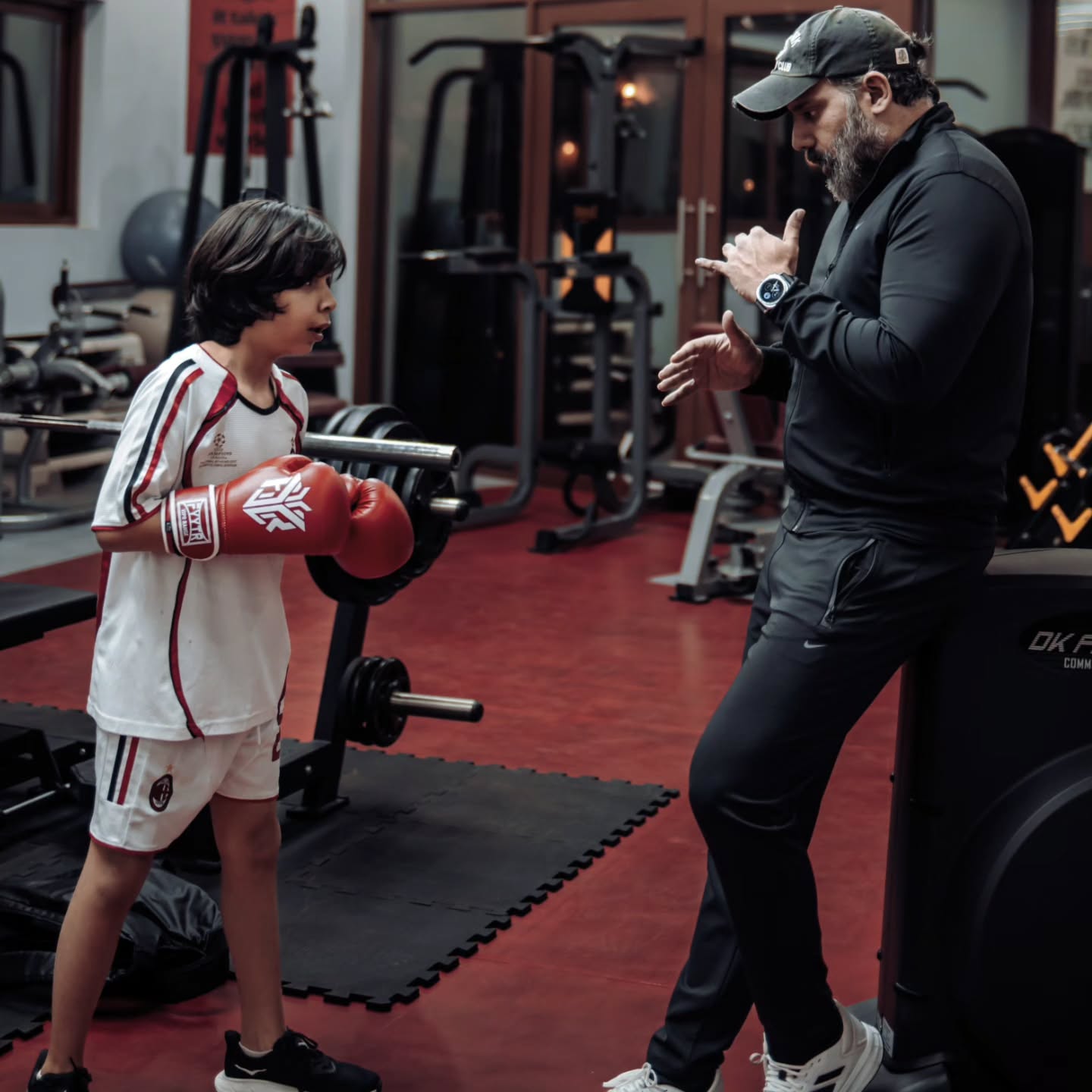
Kids Boxing at Home: How to Hold Pads for Your Child
How to hold boxing pads for your child at home, from safe pad height and first combinations to a 20 minute session, with the junior kit to buy in the UAE.
Training3 min read
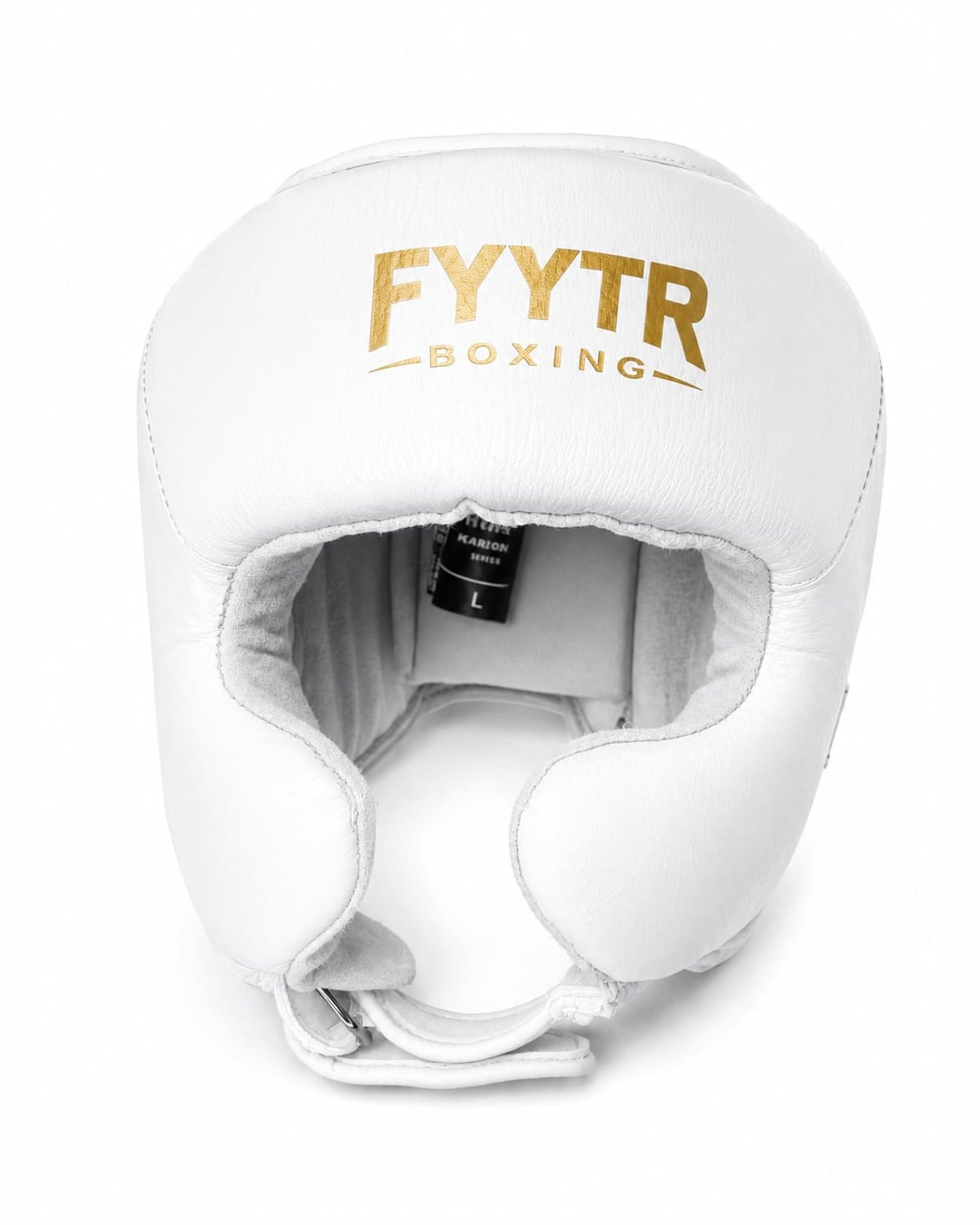
Amateur Boxing Kit: What to Bring to a Bout
What to pack for your first amateur boxing bout in the UAE, what the show usually supplies, what has to be yours, and what to confirm before fight day.

Training5 min read
Kids Boxing in the UAE: Age, Classes and Kit
When children can start boxing, what a good junior class in Dubai or Abu Dhabi looks like, and the small, well-fitted kit that keeps young hands and heads safe.