Technique
Boxing Footwork Drills You Can Do Anywhere
The boxing stance, the four basic steps and the pivot, plus five footwork drills that need only floor space, and how often a beginner should practise them.
4 min read
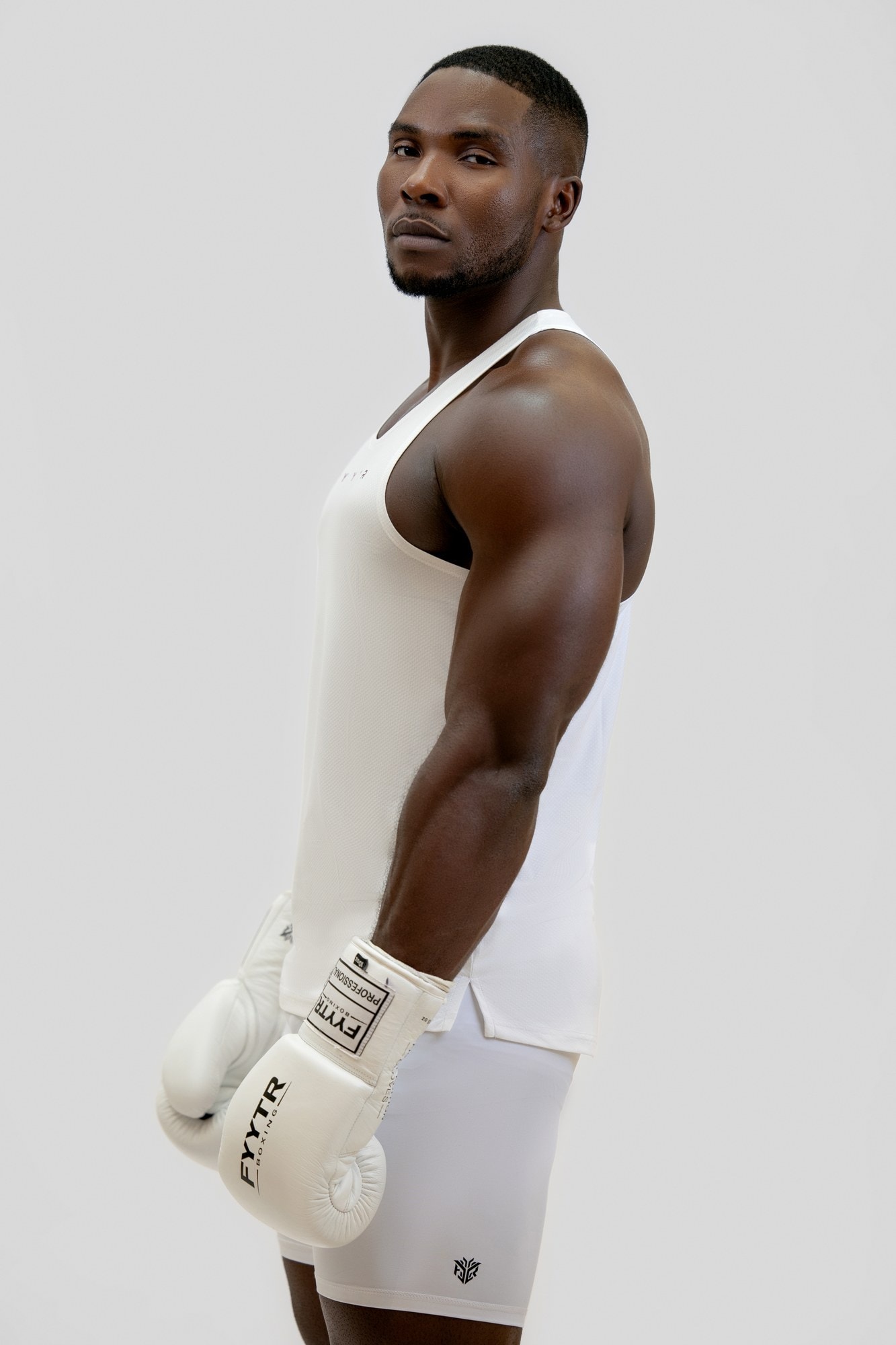
Good boxing footwork comes down to one rule: never cross your feet. Move the foot nearest to where you are going first, then bring the other foot back into your stance. Learn the stance, the four basic steps and the pivot, then drill them for ten minutes a day with nothing more than floor space and a mirror.
Footwork is what makes every punch work. A jab thrown from a balanced stance lands with the whole body behind it, and the same jab thrown while leaning lands with nothing.
How should you stand in boxing?
Everything starts from a stance you can hold, move from and punch from.
- Feet about shoulder width apart. Too narrow and you tip over; too wide and you cannot move.
- Lead foot forward. Left for orthodox, right for southpaw, pointing roughly at your opponent.
- Rear foot angled out, about 45 degrees, with the heel slightly raised so you can push off it.
- Knees soft, weight shared between both feet, slightly on the balls of the feet.
- Hands up, chin down, elbows in front of the ribs.
A simple check: if a partner pushed you gently from the front, the back or the side, you should stay upright without stepping. If you topple, widen the stance a little. How this looks in a first class, and what a coach will fix, is in your first boxing class.
What are the basic boxing steps?
Four steps and one pivot, all following the same rule.
- Forward. Push off the rear foot, step the lead foot forward, then bring the rear foot up the same distance.
- Back. Push off the lead foot, step the rear foot back, then bring the lead foot back.
- Left, for orthodox. Step the left foot left first, then follow with the right.
- Right, for orthodox. Step the right foot right first, then follow with the left.
- The pivot. Keeping the lead foot planted, swing the rear foot around it to change angle.
Keep every step short. Small steps keep you balanced and ready to punch; big steps leave you stranded between positions. Your stance at the end of each step should look exactly like your stance at the start.
What are the best footwork drills for beginners?
Five drills cover the fundamentals and fit in a small room.
- The box drill. Tape a square about a metre wide on the floor. Step forward, right, back and left around it in your stance, then reverse. Three rounds.
- The line drill. Stand side on to a line of tape. Step forward and back along it, keeping both feet either side of the line. It exposes crossed feet instantly.
- The pivot drill. Plant the lead foot and pivot a quarter turn, reset, and pivot again, until you have turned a full circle. Then go the other way.
- In and out. Step in, throw a jab, step straight back out. It builds the habit of never standing still in range.
- Footwork-only shadow boxing. One full round moving around the room with your hands up and no punches at all.
Add skipping at the end. Three rounds of rope is the most boxing-specific conditioning there is, and it trains the light, springy feet footwork depends on.
How do you practise boxing footwork at home?
Tape, a mirror and a round timer.
Mark the box and the line on the floor with tape, set a timer for three minute rounds with one minute of rest, and work in front of a mirror so you can see your feet and your guard together. Ten to fifteen minutes a day is plenty. Short, frequent practice builds the pattern into your body faster than one long session at the weekend.
Once the drills feel natural, add punches. The combinations to start with, and how to throw them while moving, are in boxing combinations for beginners. A complete home session that puts footwork, punching and conditioning together is in how to train boxing at home. When you start hitting pads or a bag, wear Laaf hand wraps, AED 49.
What should you wear for footwork training?
Flat shoes and clothes that let you move.
Thick running shoes are built to cushion you going forward and become unstable when you step sideways or pivot. Flat, grippy trainers or boxing shoes let you feel the floor. On a smooth home floor, bare feet or grip socks work for drills without punches.
Clothing should not catch or restrict. Light shorts such as the Aero Mesh Shorts at AED 149 and a breathable top like the Breeze Tee, also AED 149, stay out of the way in UAE heat. More on training kit is in what to wear for boxing training.
How long before boxing footwork feels natural?
Weeks for the basics, months for it to hold under pressure.
Most beginners can step and pivot correctly within two or three weeks of daily practice. Keeping that footwork while throwing combinations, and then while someone is moving in front of you, takes much longer, which is why even experienced boxers keep drilling it.
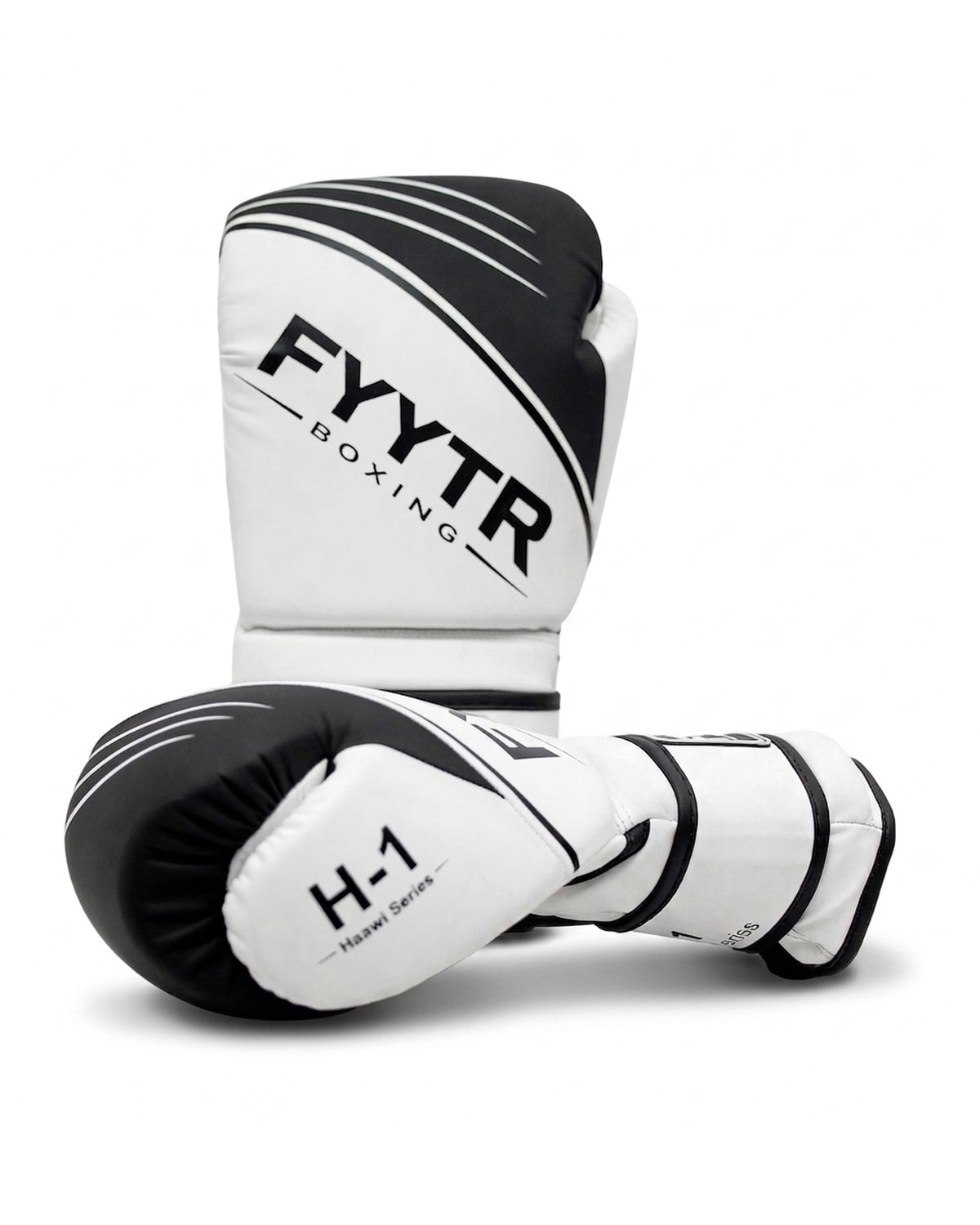
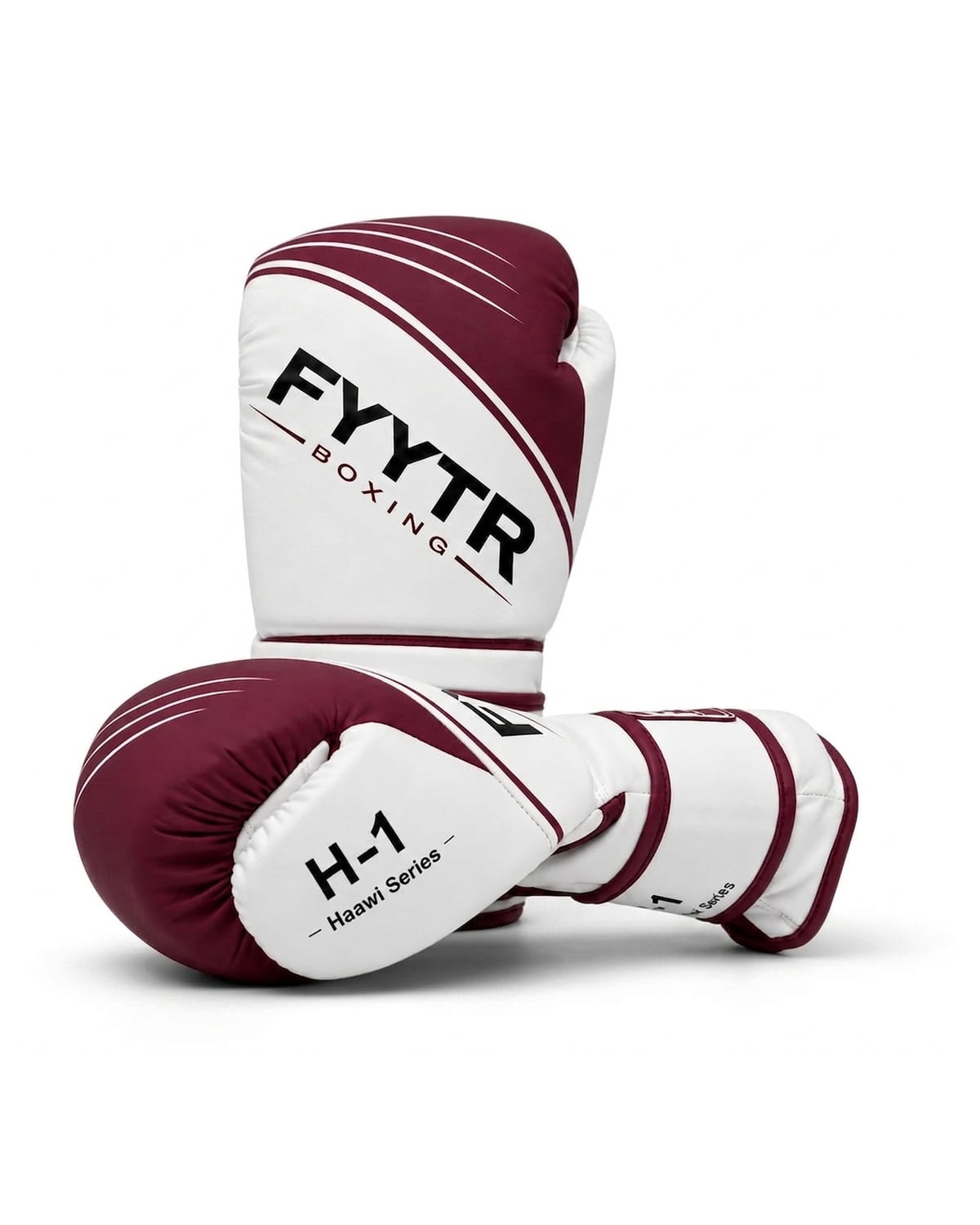
If you are following a structured start, the four week boxing plan for beginners builds footwork in from the first week. When you are ready for pads and gloves, a 14oz Haawi H-1 at AED 299 covers the work you will do in your first year.
Common questions
Never cross your feet. Move the foot closest to the direction you are travelling first, then bring the other foot back to its position, so your stance stays the same width.
Feet about shoulder width apart, lead foot forward and pointing roughly at the opponent, rear foot angled out with the heel slightly raised, knees soft and weight shared between both feet.
Ten to fifteen minutes a day is enough for a beginner. Short daily practice builds the habit faster than one long session a week.
Yes. Footwork needs only floor space, a mirror and a round timer. A few strips of tape on the floor turn a small room into a complete footwork area.
Flat, grippy trainers or boxing shoes. Thick running shoes are built to cushion forward impact and make you unstable when you step sideways or pivot.
Shop the kit



Keep reading
Technique4 min read
Boxing Combinations for Beginners: The Punch Numbers
The six punch numbers boxing coaches call, the first combinations to learn, how to drill them shadow boxing and on pads, and the mistakes that slow beginners.
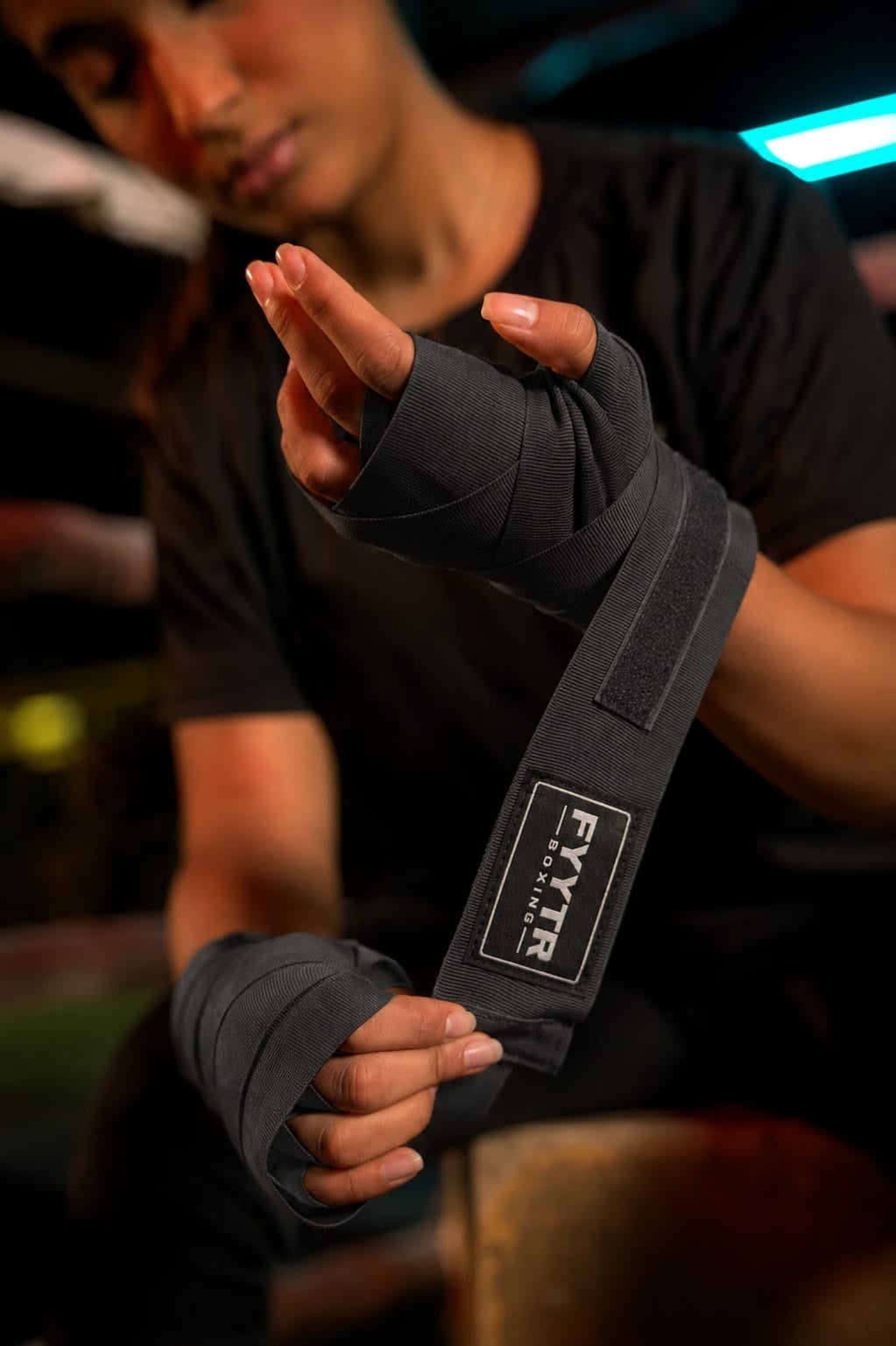
Technique4 min read
How to Wrap Your Hands for Boxing
A step-by-step wrap that holds for a full session, plus the 120 vs 180 inch question answered and the three mistakes that make wraps useless.
Gear guides4 min read
Boxing Equipment Prices in the UAE: What to Pay
What boxing gloves, wraps, headguards and pads really cost in the UAE, where the money goes, and three honest kit budgets from AED 348 to about AED 1,000.