Training
How to Train Boxing at Home
What you can genuinely learn without a gym, a twenty minute shadowboxing session that works in an apartment, and the point at which you do need a coach and a bag.
5 min read
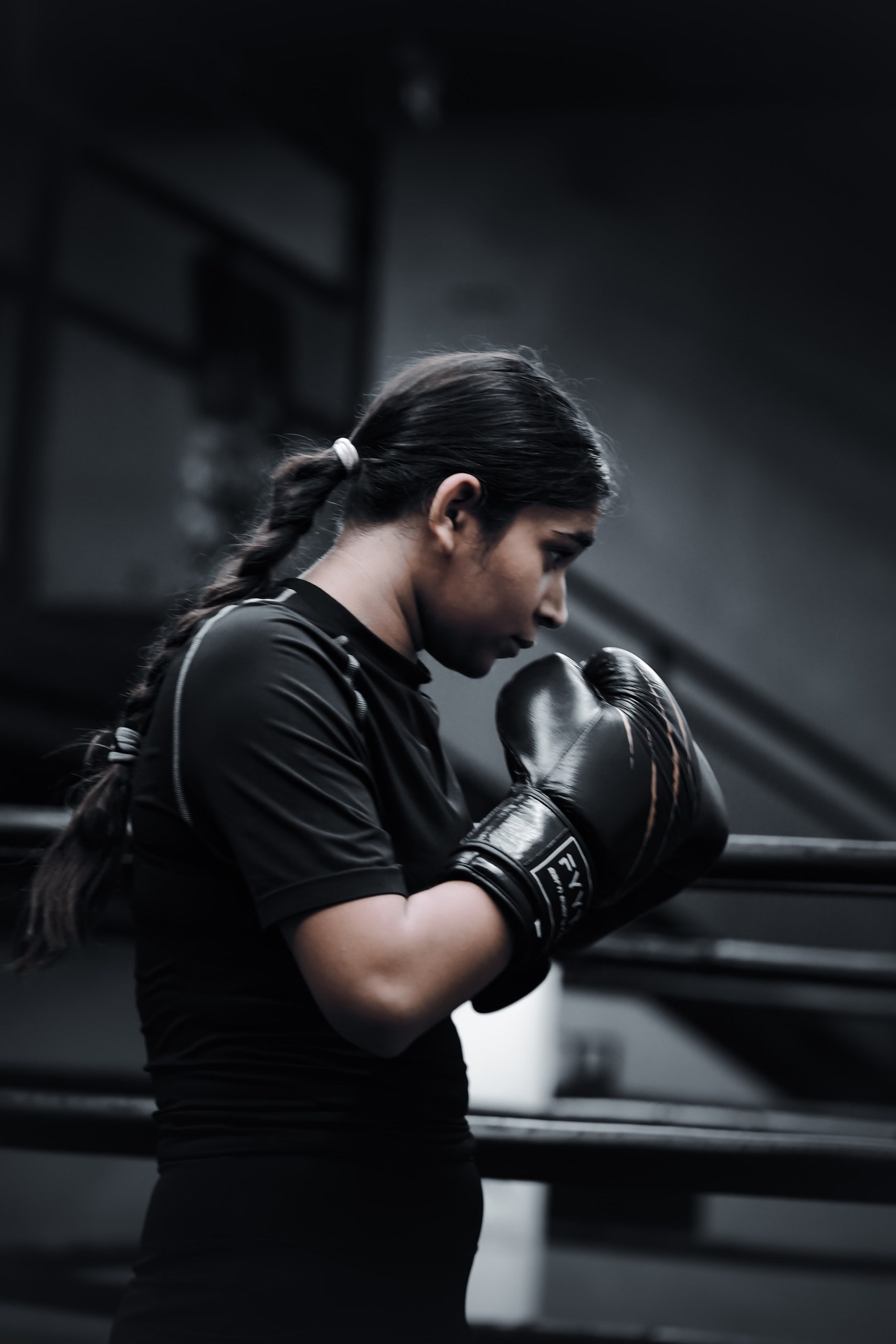
You can build real boxing at home: stance, footwork, punch mechanics and conditioning all improve without a gym, a bag or a partner. What you cannot build is timing, distance and defence, because those only exist against someone moving in front of you. Twenty structured minutes of shadowboxing is the most valuable thing you can do in a living room.
Here is what actually works, what to buy, and the honest point at which home training runs out.
What can you genuinely learn at home?
Everything that does not require another person.
Stance and guard. How you stand decides how you move and how hard you can punch. It is entirely learnable alone, in front of a mirror, and most beginners never spend enough time on it.
Footwork. Step, pivot, and moving without crossing your feet. This is pure repetition and needs nothing but floor space.
Punch mechanics. How a jab travels, how a cross rotates from the back foot, how the hand returns to the guard. All of it can be drilled solo.
Conditioning. Rounds, intervals and core work do not care where you are.
What you cannot learn is reading another person: when to move, how far away to stand, how to see a punch coming. Those are the whole sport and they need a gym. Home training gets your body ready for the day you walk into one, which is not nothing.
A twenty minute session that works in an apartment
Six rounds of three minutes with one minute of rest. No equipment, no noise.
- Round one, footwork only. Step forward, back, left, right in your stance. No punches. Keep your feet from crossing.
- Round two, jab. Slow, full extension, hand returning all the way to your cheek every time.
- Round three, jab and cross. Turn your back foot on the cross. Watch the heel in the mirror rather than the hand.
- Round four, add movement. Two steps, then a punch. Never punch while your feet are moving.
- Round five, freestyle shadowboxing. Whatever you have, at pace.
- Round six, conditioning. Press ups, squats and plank, alternating.
Do this three times a week and you will arrive at your first class with a stance that holds and a jab that goes straight, which puts you ahead of most people in the room.
Does shadowboxing actually do anything?
It is the most important drill in boxing, and it is free.
Professionals shadowbox every day of their careers, which should settle the question. It works because it separates technique from impact. With nothing in front of you there is no target to reach for, no bag pushing back, and nothing to hide a lazy return of the hand.
Done at pace it is genuinely hard conditioning. Twenty minutes of continuous shadowboxing raises heart rate comparably to a run, without any of the joint load.
Two rules make the difference between shadowboxing and waving your arms. Punch at a real target height, imagining a person of your size rather than the air. And return every punch to the guard, every time, even when you are tired. Sloppy shadowboxing builds sloppy habits, because your body does not know the difference.
What should you buy for home training?
Very little, and not gloves first.
For shadowboxing you need nothing at all. Empty hands, floor space and something to see yourself in.
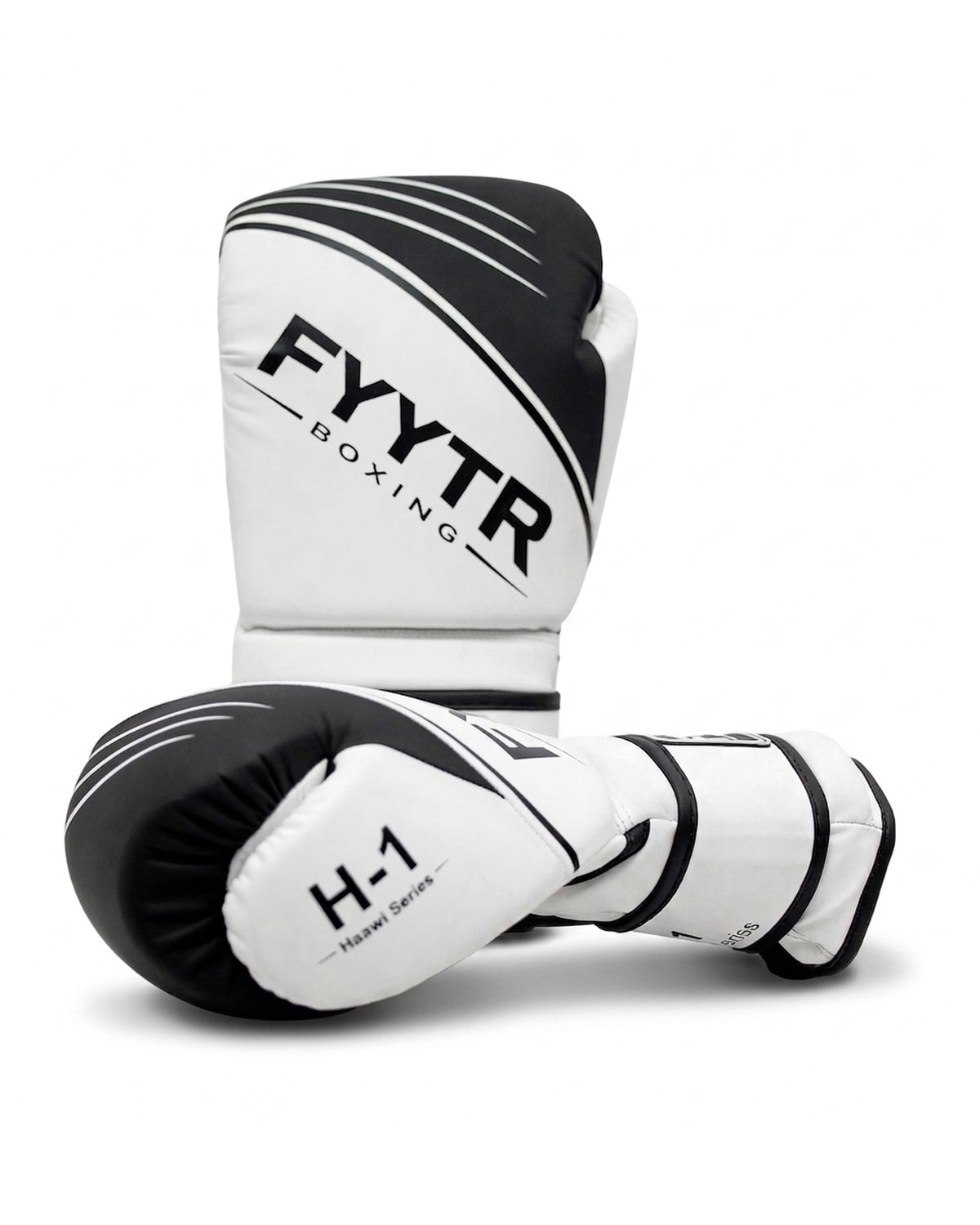
The moment you start hitting something, hand wraps at AED 49 come first and are not optional. Then gloves. A 14oz Haawi H-1 at AED 199 covers a free standing bag and, later, the gym.
Beyond that: a skipping rope, which is the best conditioning tool per dirham in the sport, and a towel, because an apartment in a UAE summer is warmer than a gym floor. Train in something light, Aero Mesh Shorts at AED 149 and a technical tee rather than cotton, for reasons covered in gym clothes for UAE heat.
Total to start properly: nothing. Total to start hitting things: AED 248.
Can you have a punch bag in a UAE apartment?
Hanging one from the ceiling, usually not. A free standing bag, usually yes.
Most apartment buildings here prohibit drilling into structural ceilings, and a hanging bag transmits both impact and swing into the structure. Many building management offices will refuse permission outright, and it is worth asking before buying anything.
A free standing bag on a water or sand filled base is the workable alternative. It still transmits some noise into the floor below, so a thick mat under the base and daytime training hours are the reasonable courtesies.
Do not punch walls, door frames or anything with a hard backing, wrapped or not. The bones in your hand do not care how well you wrapped them if the surface has no give.
If your building rules out a bag entirely, shadowboxing plus conditioning is still a complete home practice. Bag work is not the part you are missing most.
When do you actually need a gym?
Around six to eight weeks in, and for two specific reasons.
The first is correction. You cannot see your own errors, and a mirror only shows you the ones you already know to look for. Small faults in a punch become permanent in about two months of unsupervised repetition, and they take far longer to remove than they took to build.
The second is that boxing is a sport of distance and timing against a person. Everything you have drilled alone is the alphabet. The gym is where it becomes a language.
Home training is genuinely valuable as a way in, particularly if walking into a boxing gym feels intimidating. Six weeks of shadowboxing means you arrive knowing how to stand, and that changes the first session completely. When you are ready, where to train boxing in Dubai and Abu Dhabi covers what to look for, and your first boxing class covers what actually happens when you get there.
Working without a coach has a ceiling, and it arrives sooner than most people expect. A four week plan for complete beginners is built around that: two weeks you can do at home, then into a gym.
Common questions
You can learn stance, footwork, punch mechanics and conditioning at home. You cannot learn timing, distance or defence against a real opponent, because all three require someone moving in front of you.
Yes. Twenty minutes of structured shadowboxing raises your heart rate substantially and is the single most valuable boxing drill there is, which is why professionals still do it daily.
Not for shadowboxing, which is done with empty hands. You need gloves and wraps only once you are hitting something.
Usually not from the ceiling, and many UAE buildings prohibit it. A free standing bag on a weighted base is the practical alternative, though it still transmits noise through the floor.
Six to eight weeks. Home training builds the base, then progress stalls because nobody is correcting you and nothing is moving in front of you.
Shop the kit



Keep reading
Training2 min read
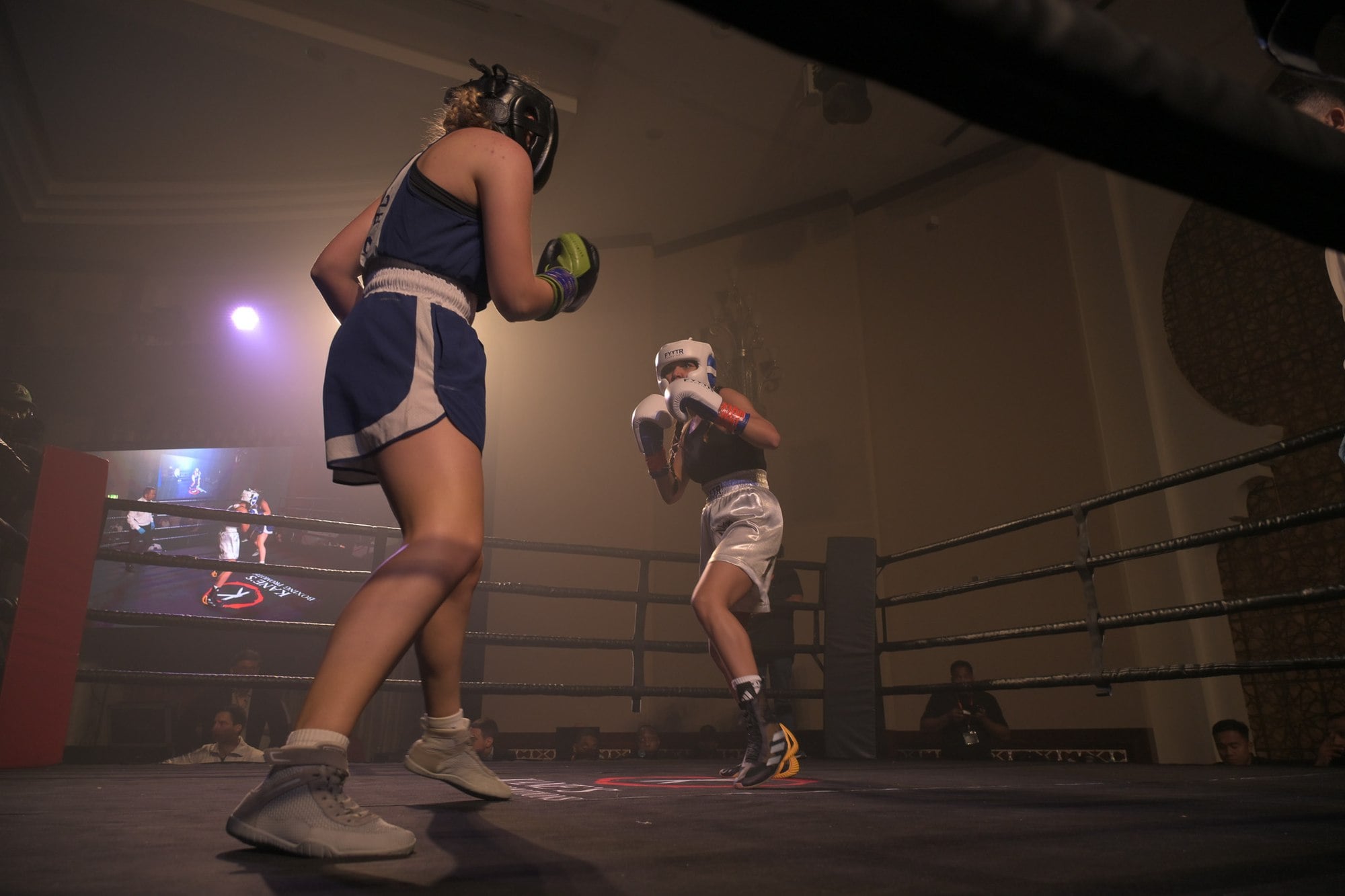
How to Start Amateur Boxing in the UAE
What it takes to go from training to competing in the UAE: the club route, the medical, the kit that gets checked, and roughly how long it takes.
Training3 min read
A Four Week Boxing Plan for Complete Beginners
Three sessions a week, no sparring, no gym membership needed for the first fortnight. What to do each week and what to stop doing when it hurts.
Training3 min read
Boxing in Sharjah and the Northern Emirates
Sharjah, Ajman and Ras Al Khaimah have a real boxing scene and lower prices than Dubai. What to look for, what it costs, and how to pick a club.