Training
Your First Boxing Class: What to Expect
What actually happens in a beginner session, how long each part lasts, what to bring, the etiquette nobody explains, and the day one mistakes to avoid.
5 min read
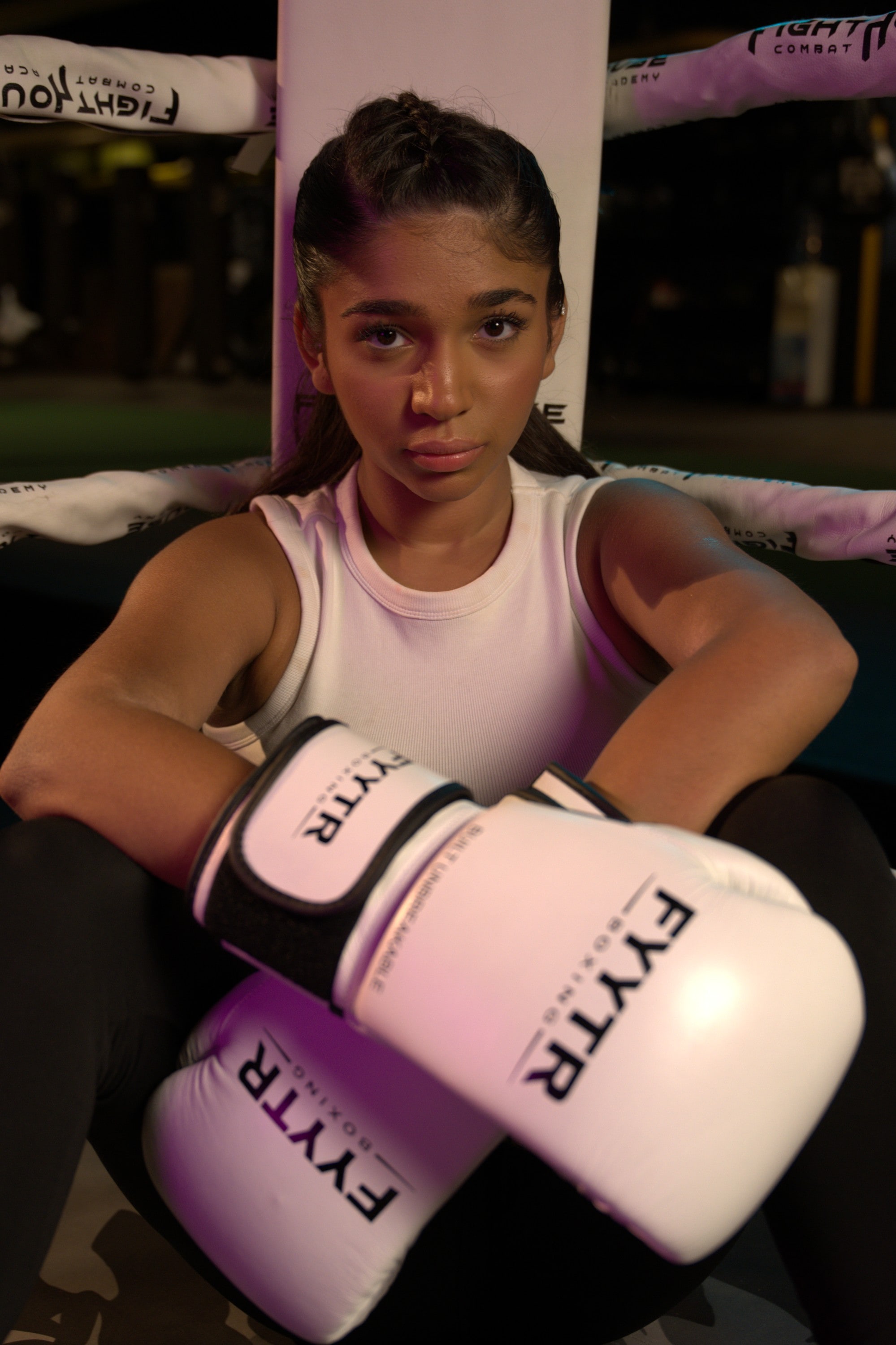
A first boxing class is one hour, and it breaks down roughly the same way everywhere: ten minutes warming up, twenty on technique, twenty to thirty on the bags or pads, then conditioning. Nobody is going to punch you. Bring hand wraps, water and a towel, and you are set.
The nerves before a first session are almost always about not knowing the shape of it. So here is the shape of it.
What actually happens in a beginner class?
Four blocks, in this order, at almost every gym in the UAE.
Warm up, around ten minutes. Skipping, shadowboxing or circuits. It is meant to raise your temperature, not to test you.
Technique, fifteen to twenty minutes. Stance, guard, then one or two punches broken down slowly. You will spend a surprising amount of a first class just learning how to stand and step.
Bag or pad rounds, twenty to thirty minutes. Usually three minute rounds with a minute of rest, mirroring the real thing. This is the part that gets you fit.
Conditioning and stretching, the last ten minutes. Core work, then down.
Nothing in that hour requires you to be good. The only thing coaches genuinely notice on day one is whether you keep your hands up when you are tired.
What do you need to bring?
Wraps, water, towel, and something you can sweat through.
Most UAE gyms lend gloves for a trial session, so you do not need to buy a pair before you have decided the gym is right. Wraps are different. They sit against your skin, they absorb your sweat, and no gym should be handing you a used set. A pair of Laaf hand wraps at AED 49 is the one purchase worth making before you walk in.
Bring a small towel. A boxing hall in this climate produces more sweat than any other class in the building, and wiping down a shared bag between rounds is basic courtesy. Our performance sweat towels come as a pack of two at AED 49 so one stays in the bag.
The full first six months kit list is in boxing equipment for beginners.
What should you wear?
Fitted on top, shorts or leggings on the bottom, and proper trainers.
The two mistakes are baggy t-shirts and long loose tracksuit bottoms. Both catch on your own gloves when you bring your hands up. Aero Mesh Shorts at AED 149 or a pair of leggings both work, because both let you pivot on the ball of your foot without the fabric fighting you.
Wear flat trainers rather than heavily cushioned running shoes. Running shoes are built to absorb impact going down, which makes them unstable when you turn sideways, and boxing footwork is almost entirely sideways.
Skip the jewellery and take a watch off. You are going into gloves and anything on your wrist will dig in for an hour. What to wear is covered in more depth in what to wear for boxing training.
What is the etiquette you are not told?
Five things that will make you look like you have been there before.
- Turn up ten minutes early. Wrapping your hands takes five minutes and you do not want to be doing it while the warm up starts.
- Wipe the bag down after your rounds. Always, without being asked.
- Ask before using someone's pads or gear. Personal equipment is personal.
- When the coach talks, stop hitting. It sounds obvious and it is the most common day one mistake.
- Do not go full power on the bag. Nobody is impressed, and the first thing to break under a badly thrown full power punch is your own wrist.
None of this is enforced with any hostility. Boxing gyms are, in general, far friendlier to beginners than their reputation suggests.
How hard is it going to be?
Harder on your lungs than your arms, and hardest on your shoulders the next day.
Holding your hands up for three minutes is deceptively exhausting because you are using small stabilising muscles that no other training loads that way. Expect your shoulders and obliques to be sore for two or three days after the first session. That fades within two weeks.
You can drop intensity at any point. Rounds have built in rest, and slowing down inside a round is completely normal. Nobody in the room is watching you, because they are all busy counting their own rounds.
The one genuine limiter is your hands. Skin, tendons and small joints need weeks to adapt to impact regardless of how fit you already are, which is why two sessions a week beats four at the start.
Should you buy gloves after the first class?
Wait until session three, then buy 12oz or 14oz.
Borrowed gloves are fine for a trial and unpleasant after that. They hold someone else's sweat, and the padding has usually been flattened by years of use, which is exactly what you do not want while your hands are still adapting.
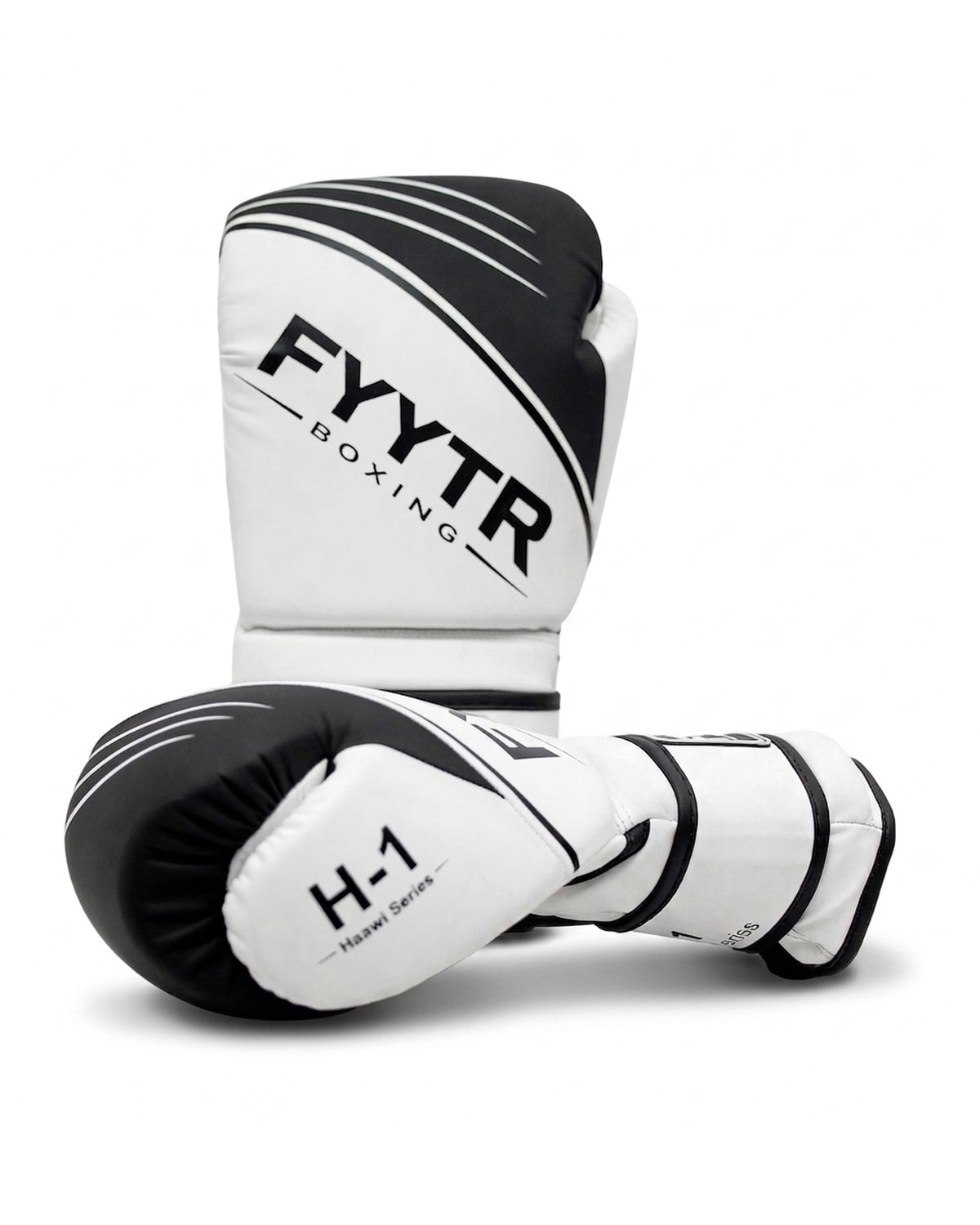
The Haawi H-1 at AED 199 covers bag work, pads and light sparring in 8, 10, 12 and 14oz. Buy 14oz if you are unsure, since it is the size that stays useful when your training changes. The reasoning is in what oz boxing gloves to buy.
Gloves and wraps together come to AED 248, which sits just under the AED 250 free UAE shipping threshold, so add a towel pack and it ships free.
The one thing worth knowing before you go
You will be bad at it, and that is the entire point.
Boxing is a skill sport wearing the clothes of a fitness class. The people who stay are the ones who enjoy being a beginner for a few weeks, and the people who quit are almost always the ones who expected to be competent in the first hour.
Book the trial, take the slow version of every drill, and go back on a fixed day the same week. Two sessions in one week teaches you more than four spread over a month.
If you would rather do some groundwork before walking in, a four week plan for complete beginners starts with two weeks that need no gym and no equipment. And if you are still deciding between disciplines, boxing, kickboxing or Muay Thai compares them honestly.
Common questions
Roughly ten minutes of warm up, twenty minutes of stance and punch technique, twenty to thirty minutes of bag or pad rounds, then conditioning and stretching. Most classes run 60 minutes total.
Usually not. Most UAE gyms lend gloves for a trial. Hand wraps are the exception, since they are worn against your skin, and a set costs AED 49.
Fit enough to walk briskly for thirty minutes. Classes are structured in rounds with rest between them, so you can drop intensity without stopping and nobody will notice.
No. Sparring is opt in and usually months away. A beginner class is technique, bag work and conditioning only.
Hand wraps, water, a small towel, and clothes you can move in. Bring more water than you think, especially training in the UAE summer.
Shop the kit



Keep reading
Training2 min read
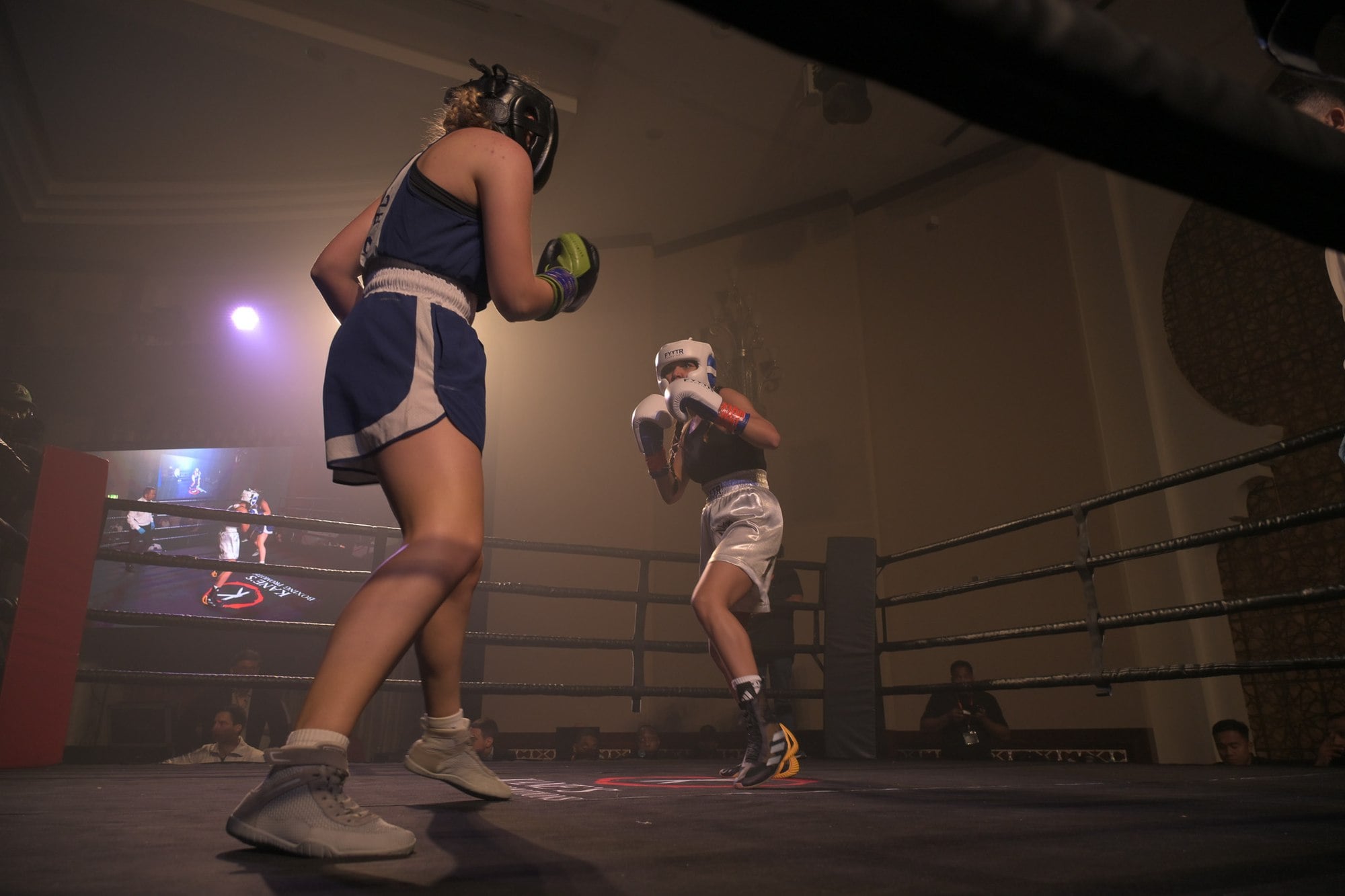
How to Start Amateur Boxing in the UAE
What it takes to go from training to competing in the UAE: the club route, the medical, the kit that gets checked, and roughly how long it takes.
Training3 min read
A Four Week Boxing Plan for Complete Beginners
Three sessions a week, no sparring, no gym membership needed for the first fortnight. What to do each week and what to stop doing when it hurts.
Training3 min read
Boxing in Sharjah and the Northern Emirates
Sharjah, Ajman and Ras Al Khaimah have a real boxing scene and lower prices than Dubai. What to look for, what it costs, and how to pick a club.