Gear guides
Focus Pads or Punch Paddles: A Coach's Guide
Focus mitts build combinations and defence. Paddles build timing and accuracy. Which to reach for depends on what each does to the person holding.
4 min read
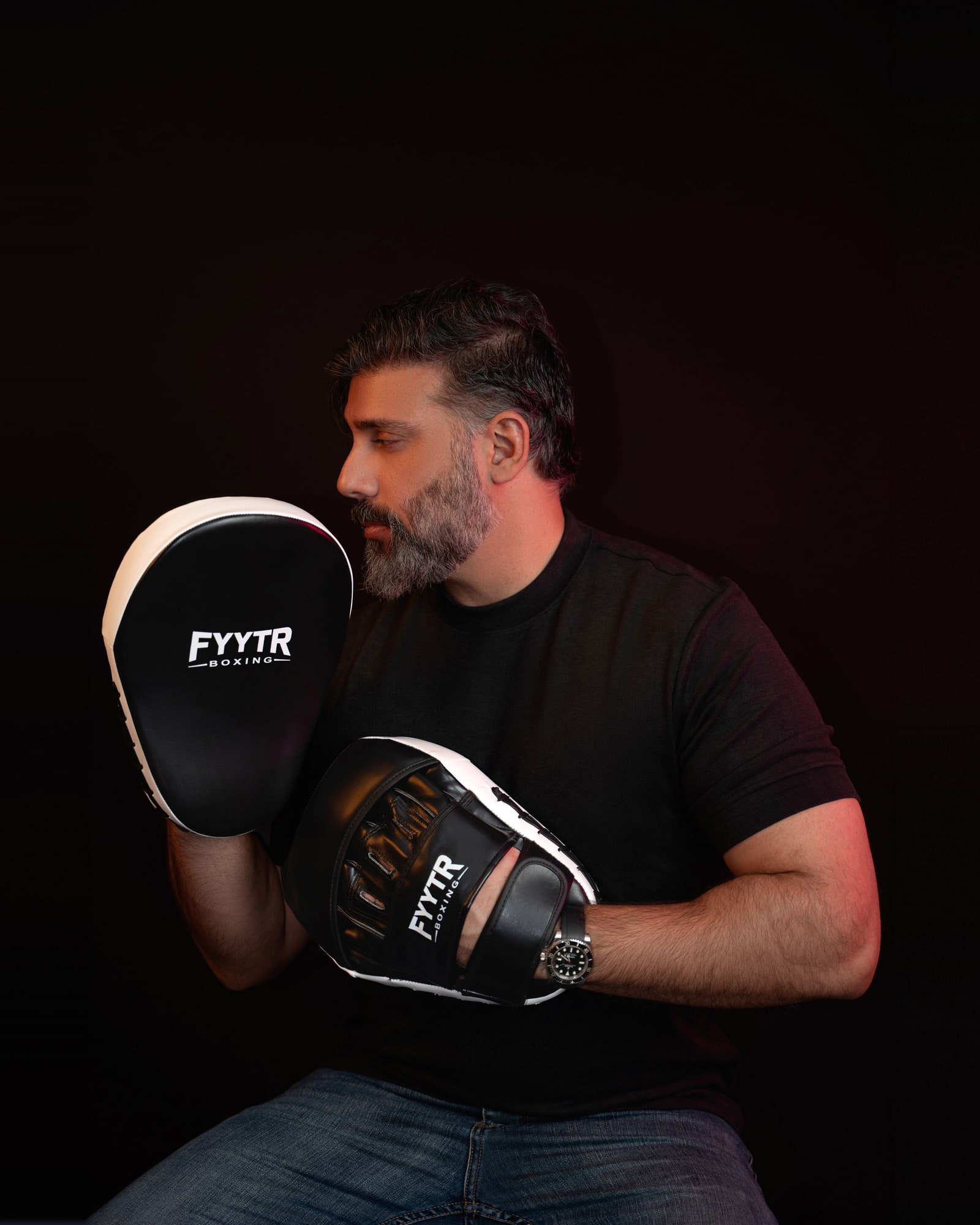
Focus pads are for building combinations, absorbing power, and teaching defence. Paddles are for timing, accuracy and reaction speed. The difference is not really about the person punching. It is about what each one does to the person holding them, and that is what decides which you reach for.
Most coaches who hold pads daily end up owning both, and using them for entirely different parts of a session.
What each one is built to do
| Focus pads | Punch paddles | |
|---|---|---|
| Padding | Thick, curved | Thin, flat |
| Absorbs full power | Yes | No |
| Weight in hand | Heavier | Light |
| Speed of movement | Slower | Fast |
| Best for | Combinations, power, defence drills | Timing, accuracy, reaction |
| Session length before fatigue | Shorter | Longer |
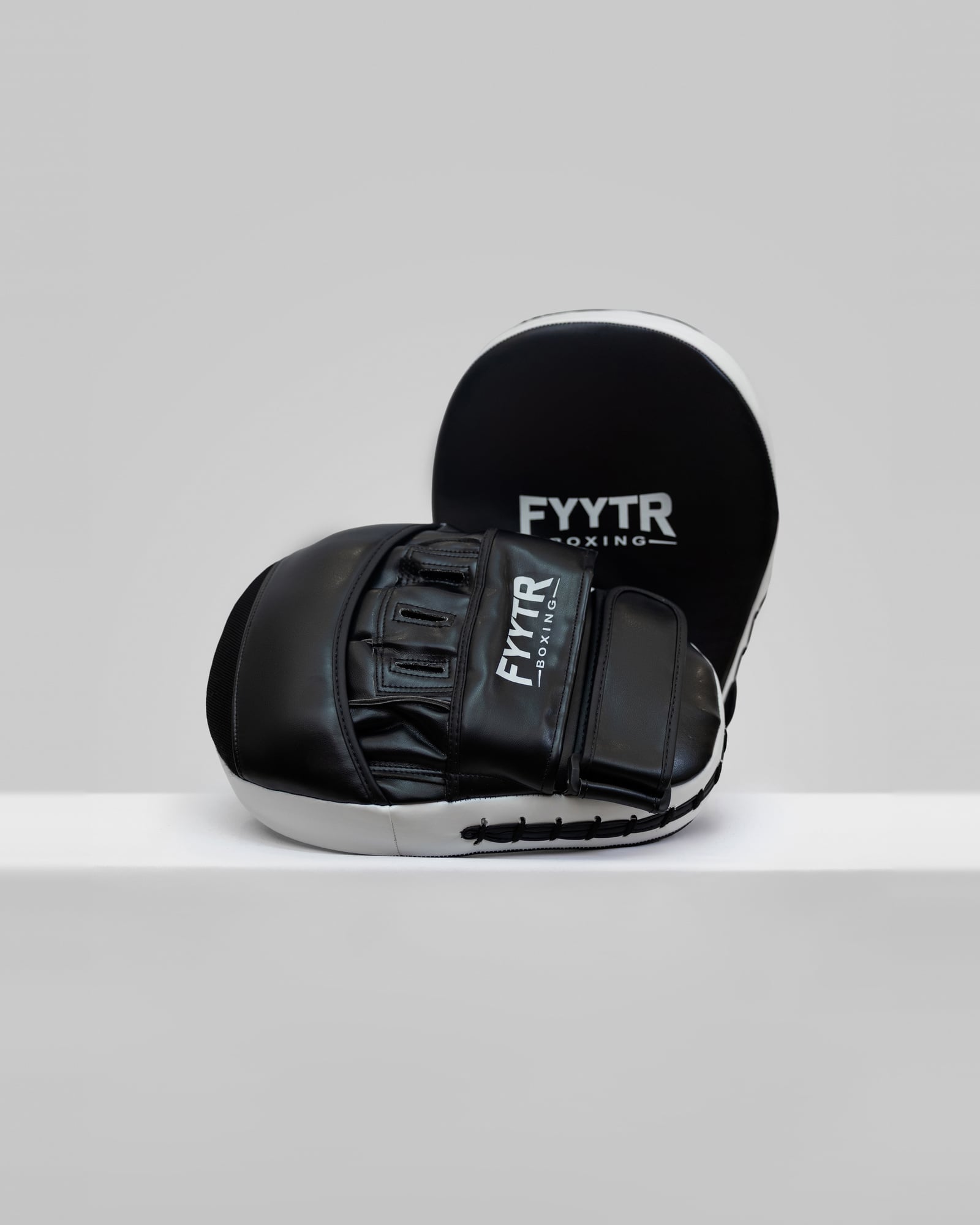
The curve on a focus pad is the whole design. It gives the punch somewhere to land squarely and directs force into the holder's forearm rather than their wrist. A flat paddle has nowhere to put that force, which is why heavy shots on paddles hurt the coach.
When to use focus pads
Anything with power in it, and anything that needs the holder to punch back.
Focus mitts absorb full-contact combinations, which makes them the tool for building sequences at real intensity. They also let the coach return shots, which turns a pad round into a defensive drill: throw the combination, slip the counter, reset. That two-way work is the most valuable thing that happens on pads and paddles cannot do it safely.
The trade is fatigue. Holding mitts properly means meeting each punch rather than letting it push your arms back, and a coach doing that across six rounds is working nearly as hard as the boxer. This is why pad rounds are usually shorter and why holding technique matters as much as punching technique.
Our Murabbi Pro Trainer focus pads are AED 189.
When to use paddles
Anything about precision, timing, or reaction.
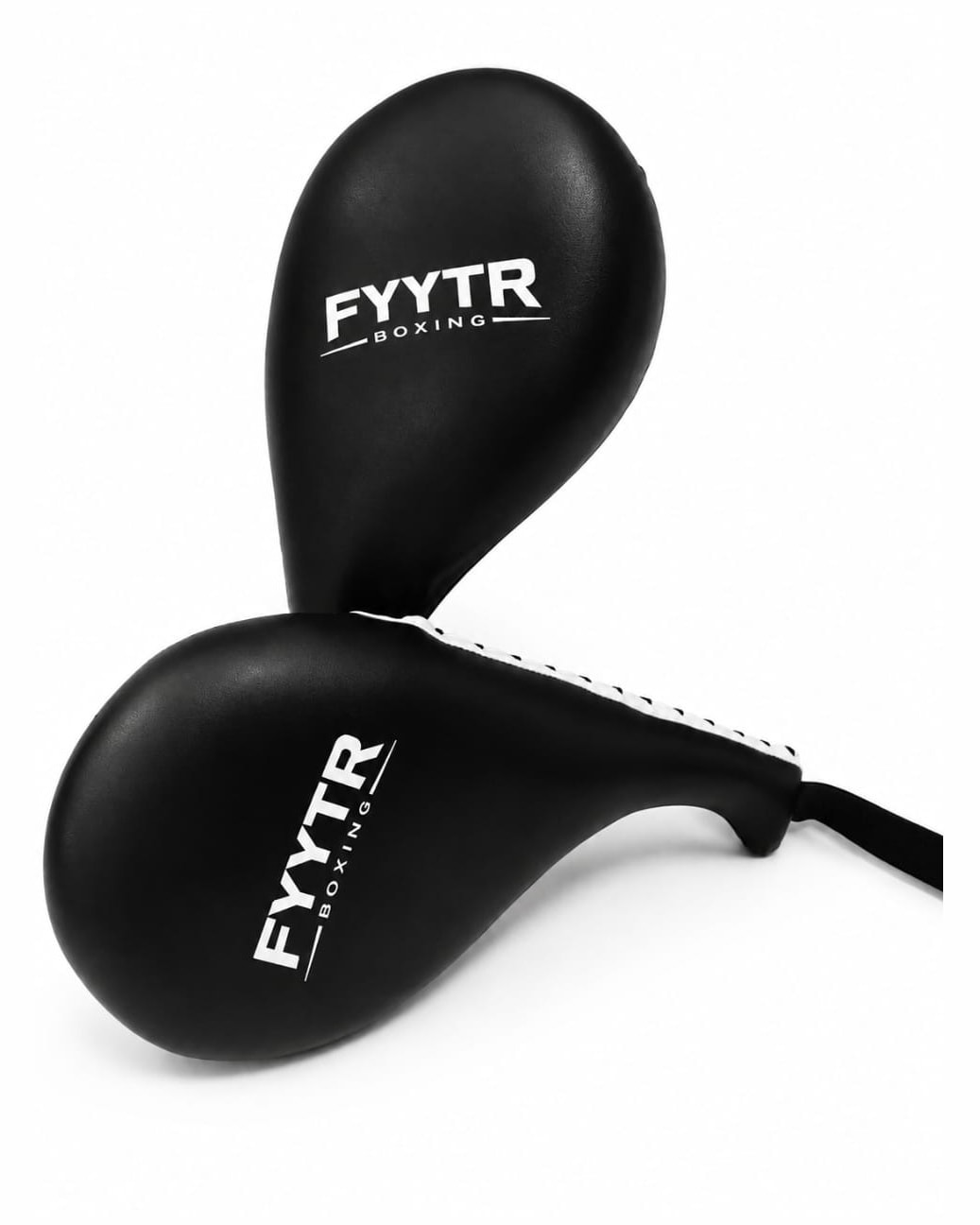
Paddles are light enough to move quickly, which means the coach can present a target for a fraction of a second and take it away. That creates drills nothing else can: hit the paddle only when it turns, follow it as it moves, respond to a target that appears without warning. For sharpening timing and reaction, they are the better instrument by some distance.
They are also far less tiring to hold. A coach can run paddle work across a long session or a large group in a way that would be impossible with mitts, which makes them practical for fitness classes and for the accuracy work at the start of a session before power work begins.
What they cannot do is take heavy shots. The padding is not there and the grip is not braced for it. Our Murabbi coaching paddles are AED 199.
Holding well is a skill
The most overlooked point in any pad discussion: bad holding causes more injuries than bad punching.
Meet the punch, do not catch it. A pad held loose and pushed back by the shot puts the force into the coach's shoulder joint. A pad met with a small forward movement puts it into the forearm, where it belongs. This is a habit that takes weeks to build and prevents years of shoulder problems.
Hold at the height the punch should land, not where it is comfortable to hold. Pads carried low teach a boxer to drop their shots and their guard with them.
Call the combination before it starts, not during. A holder who reacts late is a holder who gets hit on the fingers. The standard punch numbers are in boxing combinations for beginners.
What to buy first
Focus pads, without much debate.
They cover the widest range of work: combinations, power, defence, and everything a beginner needs in their first year. Paddles are excellent at what they do, but what they do is a refinement layer on top of work that pads have to carry first.
If you are equipping a gym rather than yourself, the ratio that works in practice is one pair of paddles for every two or three pairs of focus mitts. Paddle drills tend to happen in short bursts at the start of sessions, while mitts are in use throughout.
A note on wear
Pads die before gloves do, and coaches consistently underestimate this.
A coach holding daily absorbs far more total impact than any individual boxer delivers, and it all lands on the same two pieces of equipment. The padding compresses from the inside, so a pad that looks fine externally can already be transmitting more force into the holder's arms than it should. The palm side and the stitching around the strap go first.
If a pad feels harder than it did, replace it. Continuing on compressed padding is how coaching careers end early.
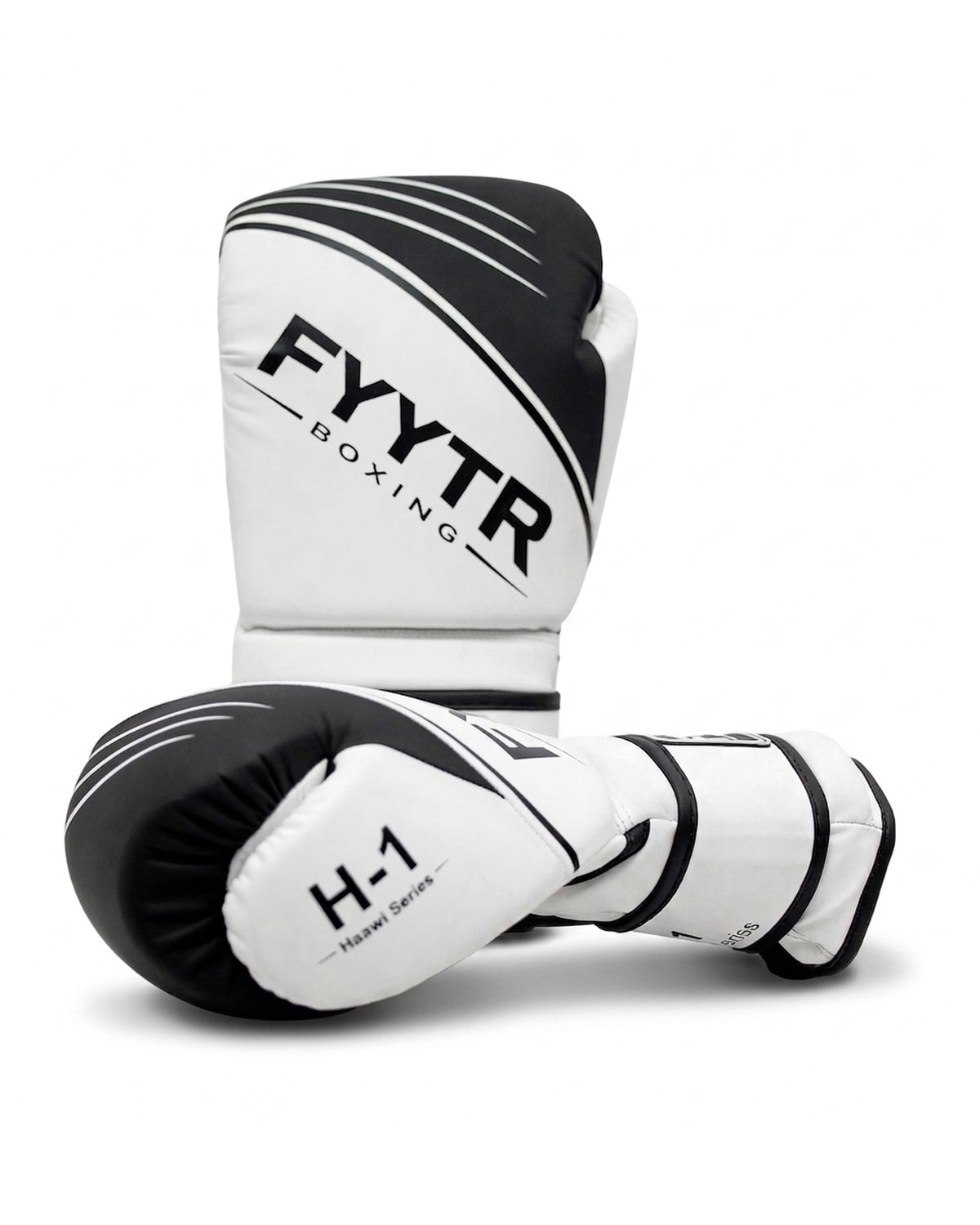
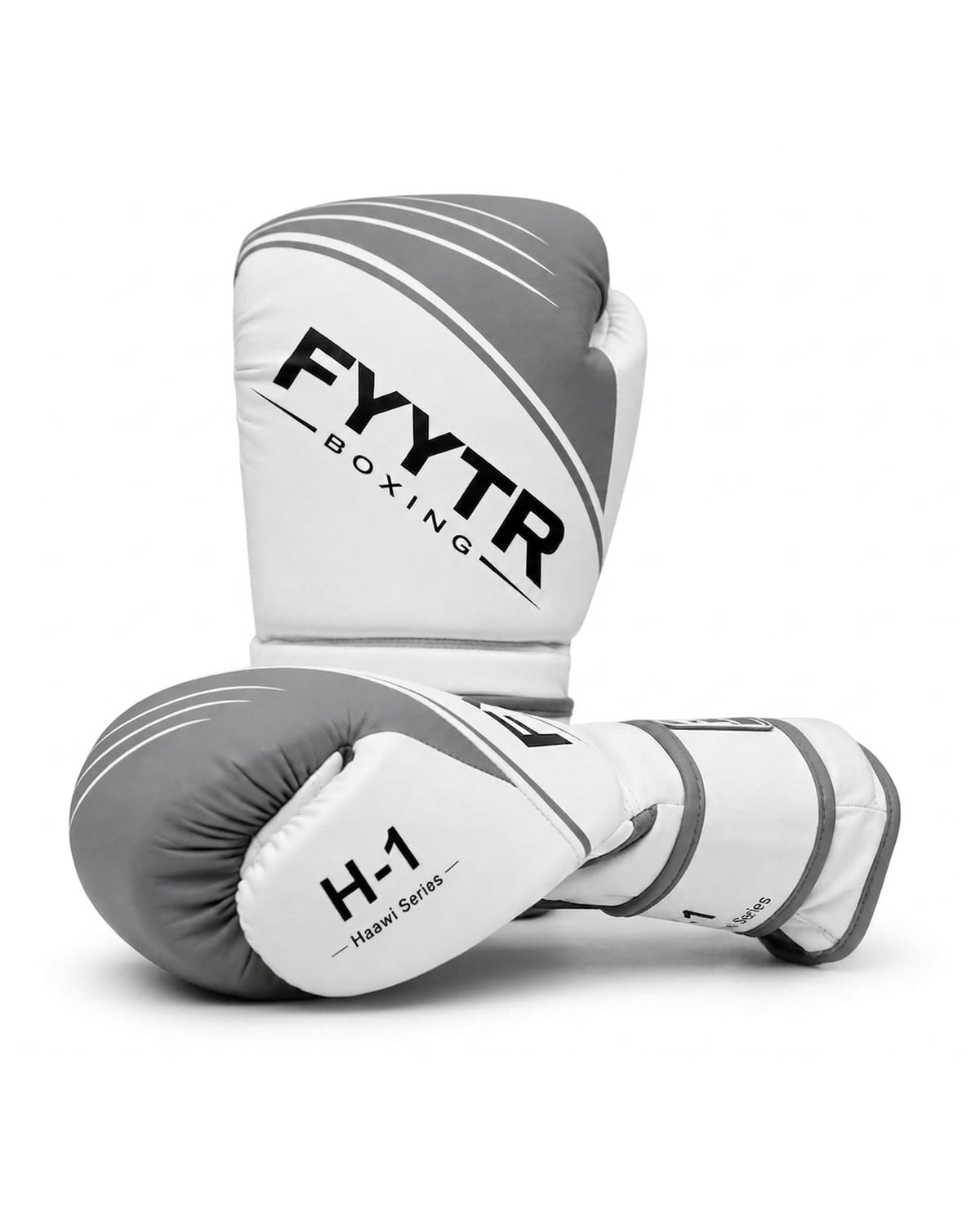
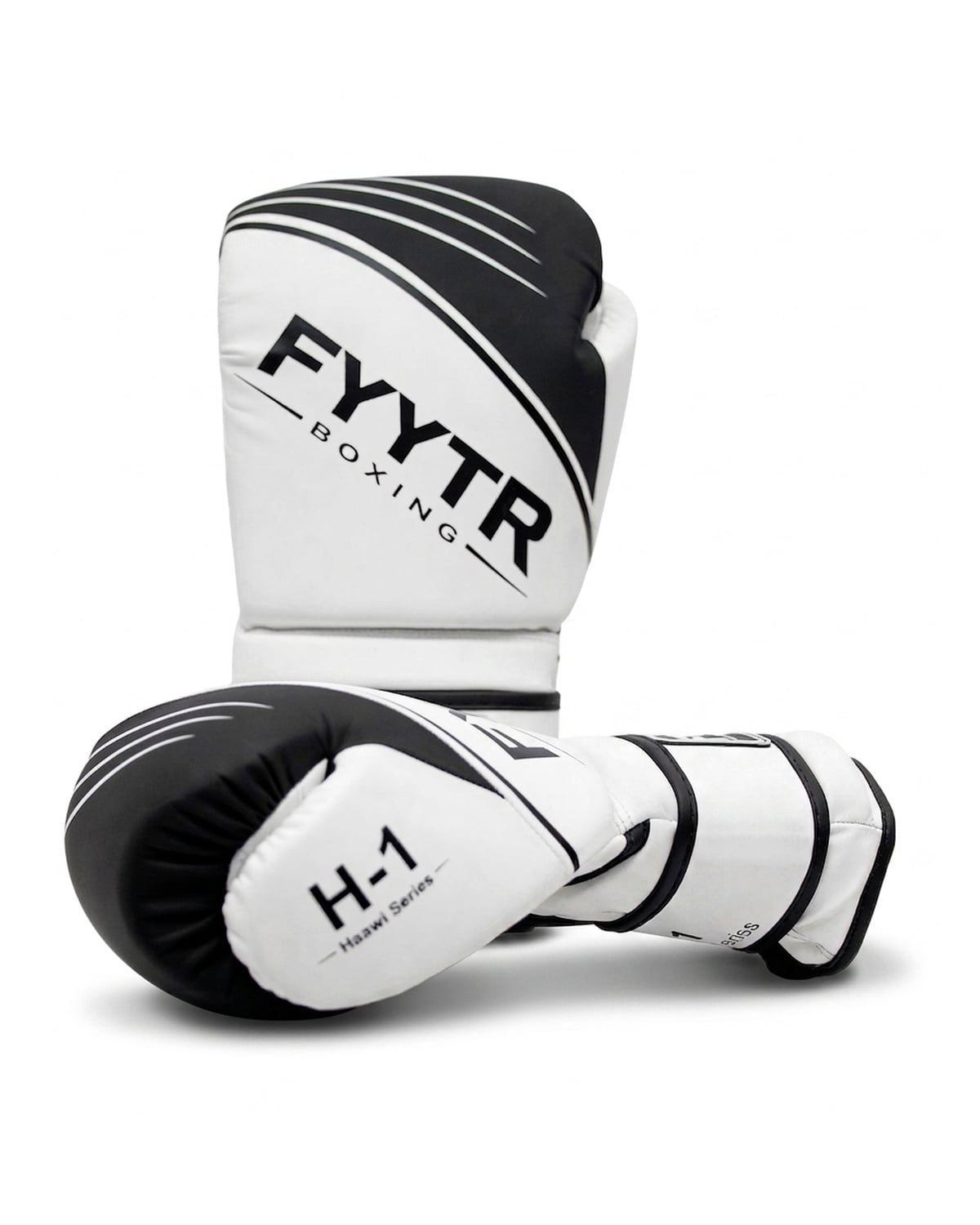
For the punching side of the equation, what oz gloves to buy covers the choice that most affects how pad work feels, and our Haawi H-1 training gloves are the everyday pair most of this work gets done in.
Buying for a class rather than for yourself changes the quantities and the replacement cycle: boxing equipment for gyms and clubs in the UAE has the per session numbers.
Common questions
Focus pads are curved mitts with thick padding, built to absorb full power combinations. Paddles are flat, light and quick to move, built for accuracy, timing and reaction work rather than absorbing heavy shots.
No. Paddles have far less padding and are held in a lighter grip. Heavy shots on paddles are how coaches injure their wrists and elbows.
Focus pads. They cover the widest range of work and are the piece you cannot substitute. Paddles are the second purchase.
Yes. The padding compresses under repeated heavy impact and the palm side wears through first. A coach holding daily should expect to replace pads before gloves.
No. Paddles are widely used across boxing, kickboxing and MMA for reaction and timing drills, and they suit fitness coaching well because they are light to hold for long sessions.
Shop the kit

Keep reading
Gear guides3 min read
Where to Buy Boxing Equipment in Dubai
The three places Dubai actually sells boxing gear, what each one is good for, how to size gloves without trying them on, and what to buy first.
Gear guides3 min read
Boxing Equipment for Gyms and Clubs in the UAE
What a boxing class actually gets through, how many gloves and pads a 12 person session needs, replacement cycles, and how to buy for a gym rather than a person.
Gear guides3 min read
Haawi H-1 or Mulakim M-1: Which Glove?
The honest comparison of FYYTR's two training gloves: what each is built from, who each suits, and why training volume decides it rather than price.