Gear guides
Bag, Sparring or Competition Gloves: The Difference
Training, bag, sparring and competition gloves are built for different jobs. What actually changes between them, and why one good pair covers almost everybody.
4 min read
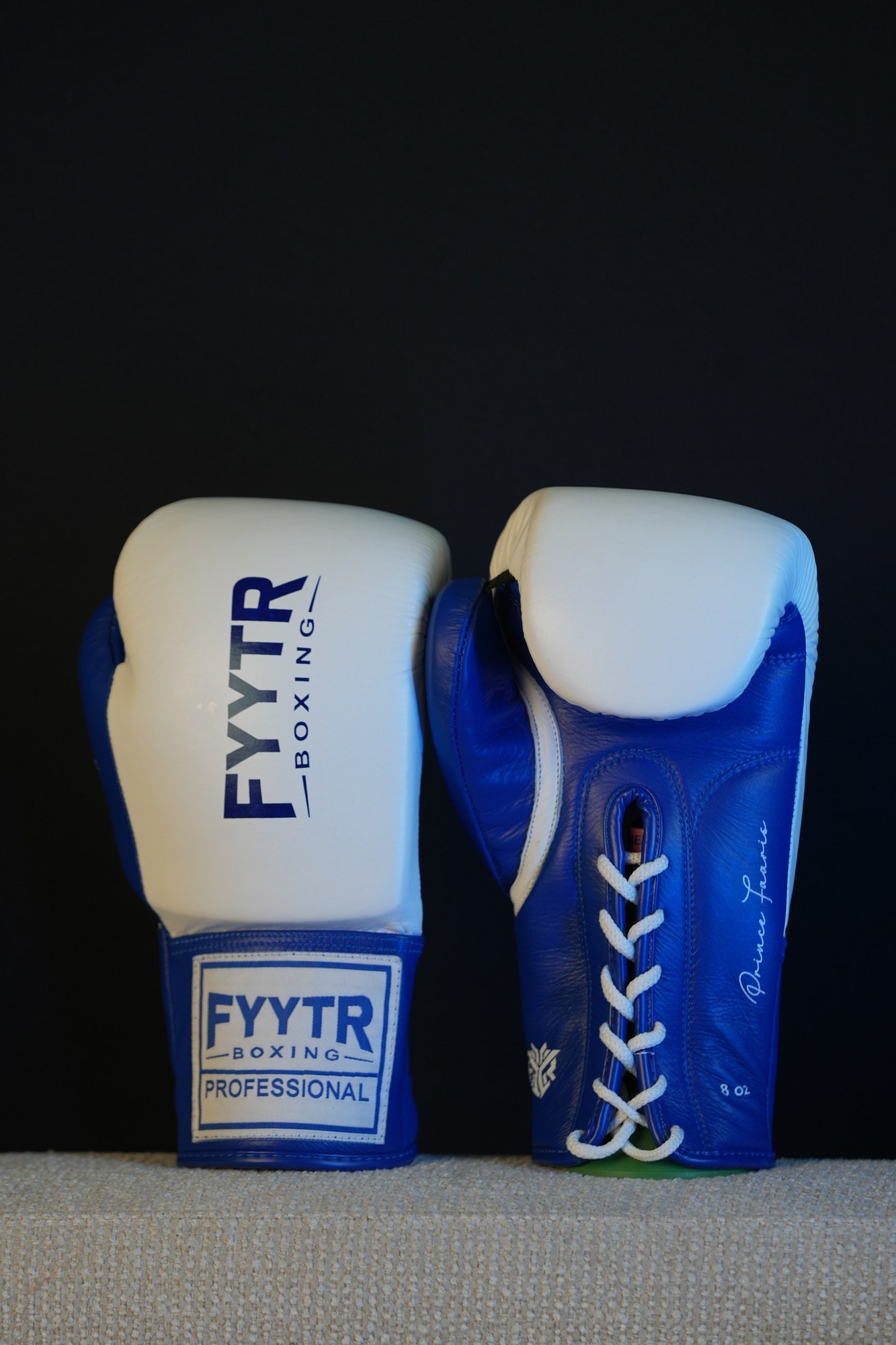
Four glove types exist and most people only ever need one. A 14oz training glove covers bag work, pad work and light sparring, which is the whole first year or two. Bag gloves, sparring gloves and competition gloves are specialist tools you buy when your training genuinely narrows.
Here is what actually changes between them, and the point at which a second pair starts to make sense.
What are the four types of boxing glove?
They differ in how the padding is distributed, not just how much there is.
| Type | Padding | Built to protect | Typical weight |
|---|---|---|---|
| Bag glove | Firm, compact, over the knuckles | Your hands | 8 to 12oz |
| Training glove | Layered, balanced | Both, adequately | 12 to 16oz |
| Sparring glove | Soft, broad, spread across the face of the glove | Your partner | 16 to 18oz |
| Competition glove | Minimal, to specification | Neither, particularly | 8 to 10oz |
The important line is the one between bag and sparring. A bag glove concentrates protection where you hit something that does not feel pain. A sparring glove spreads it out so the impact arriving at a person is softer and wider. Those are opposite design goals, which is why a good sparring glove feels mushy on a bag and a bag glove is banned from partner work in most gyms.
What is a training glove and why is it the default?
It is the compromise, and for most people the compromise is correct.
A training glove uses layered foam of different densities. The outer layer gives on impact, the inner layer holds shape and stops the padding bottoming out. That combination is firm enough to feel honest on a bag and soft enough that a coach will let you use it for light partner work.
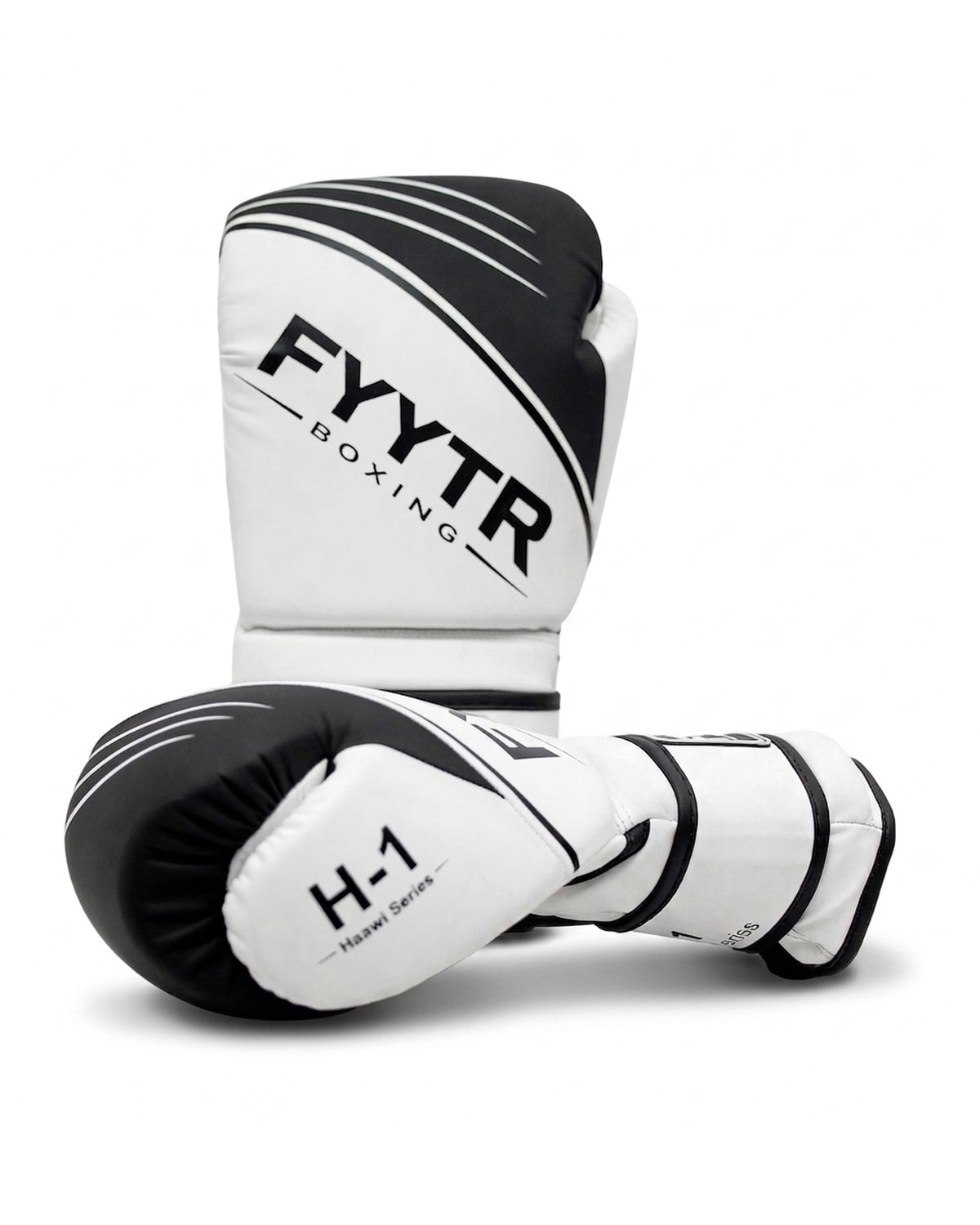
Our Haawi H-1 at AED 199 is a training glove in 8, 10, 12 and 14oz. The Mulakim M-1 at AED 379 is the premium leather version in 12, 14 and 16oz, which is where you go if you train often enough to want the pair you stop thinking about.
The reason to start here rather than with a specialist glove is simple. Most people's training changes in the first year, and a training glove stays useful through that change while a bag glove does not.
When do you need dedicated sparring gloves?
When sparring becomes weekly rather than occasional.
Most UAE gyms require 16oz for partner work, and some require 18oz for heavier boxers. That is not about protecting you. It is about the surface area arriving at your partner's head, since a wider, softer contact patch spreads the same force over more skull.
Below weekly sparring, a 16oz training glove satisfies almost every gym's rule and does the job. Above weekly, buy a dedicated sparring pair and keep them for that only. The reason is padding life: bag work compresses foam far faster than partner work does, so a glove used for both is quietly getting harder against your partner's face every month.
If sparring is coming, size up now rather than later. Full detail in what oz boxing gloves to buy and in our headgear guide, since the two purchases usually arrive together.
Lace up or velcro?
Velcro for training, lace for competition, and it is not really a preference question.
Laces wrap the wrist evenly along its whole length and pull the glove into a single rigid unit. That is genuinely the better wrist support, which is why competition gloves are laced. The problem is you cannot tie your own, so every glove change needs a coach or a training partner with free hands.
Velcro closes in two seconds by yourself. A wide strap on a long cuff gets you most of the way to lace support, and for the training most people do, most of the way is fine.
Some gloves offer a hybrid, with a lace channel under a velcro flap. They are heavier and they mostly deliver the drawbacks of both. If you are buying one pair for general training, buy velcro and buy a long cuff.
What makes a competition glove different?
They are built to a rulebook rather than to last.
Competition gloves are lighter, usually 8 or 10oz for professional bouts, with a marked white knuckle area so judges and referees can see contact. Padding is minimal and specified by the governing body, and many are laced and taped over.
They are not training gloves in any sense. Used on a bag, the thin padding compresses within weeks and the hands inside them take the difference. Anyone competing keeps them in the bag for fight night, and trains in something else entirely.
Unless you are licensed and actually competing, this is the one category you can ignore completely.
Which pair should you actually buy?
Almost everyone reading this wants one of two things.
- Training two or three times a week, bags and pads: a 14oz Haawi H-1 at AED 199. It handles everything you will do this year.
- Training four or more times, or sparring regularly: a 16oz Mulakim M-1 at AED 379 in leather, which survives the sweat volume that comes with that frequency.
Either way, buy hand wraps with them at AED 49. Gloves are sized and shaped to be worn over wraps, so a pair fitted to a bare hand will be tight once you wrap properly.
The second pair, when it comes, should be bought for the job the first pair does worst. For most people that is sparring, and for coaches holding pads all day it is usually nothing at all, since focus pads and paddles are the other side of that conversation.
The distinction that catches most people out is bag against sparring, because the padding is doing opposite jobs. Sparring gloves vs bag gloves is the detail.
Common questions
Bag gloves are compact with firm padding shaped to protect your knuckles. Sparring gloves are bigger and softer, padded to protect the person you are hitting. A training glove sits between the two and does both jobs adequately.
Not until you spar weekly. One 14oz training glove covers bags, pads and occasional light sparring. Buy a dedicated 16oz sparring pair when partner work becomes a regular part of your week.
Lace up gives a tighter, more even wrist fit and is standard for competition, but you need someone else to tie them. Velcro is the practical choice for training because you can get in and out alone.
Competition gloves are lace up, lighter, and built to a governing body specification with a marked knuckle area. They are not training gloves and wear out quickly if used as such.
Yes. The extra padding is easier on your hands, the glove is just heavier to hold up. Many coaches prefer heavier bag work precisely because it builds shoulder endurance.
Shop the kit


Keep reading

Gear guides3 min read
Boxing Gear for Women: What Actually Fits
Glove sizing by hand rather than by label, wraps that are not too long, and what to wear in a UAE gym. Written for people the standard sizing does not fit.

Gear guides3 min read
Boxing Mouthguards: How to Choose and Fit One
A boil-and-bite mouthguard fitted properly protects better than an expensive one fitted badly. How to pick, how to mould it, and when to replace it.
Gear guides2 min read
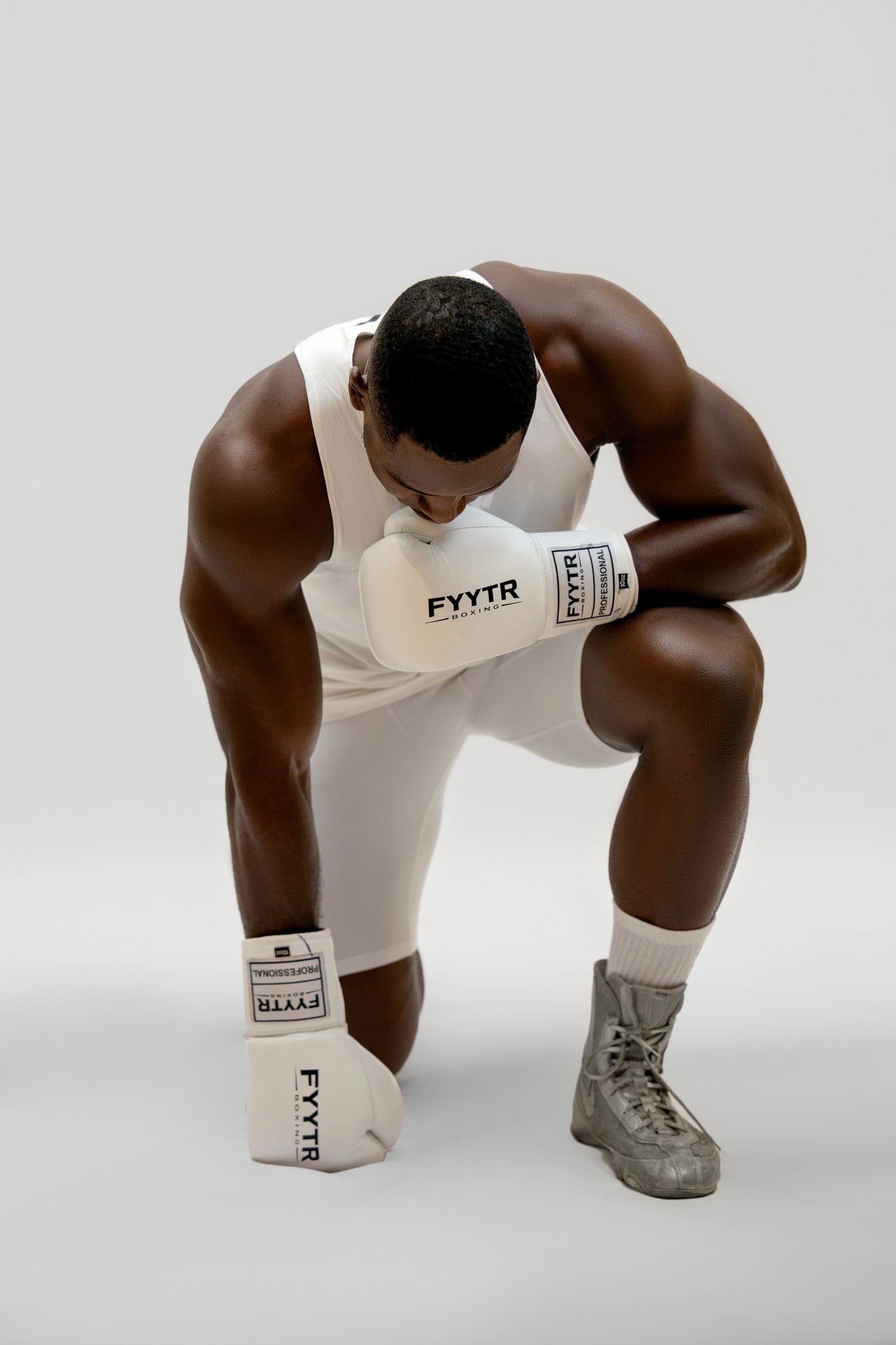
Gifts for Boxers: What They Actually Want
Ideas from AED 49 to AED 379, sorted by what someone who trains will genuinely use. Written by people who watch this gear come back for repairs.