Training
Boxing for Teenagers in the UAE: A Parent's Guide
Boxing for teenagers in the UAE - how to choose a teen class in Dubai, Abu Dhabi or Sharjah, when sparring starts, and a first kit that fits as they grow.
7 min read
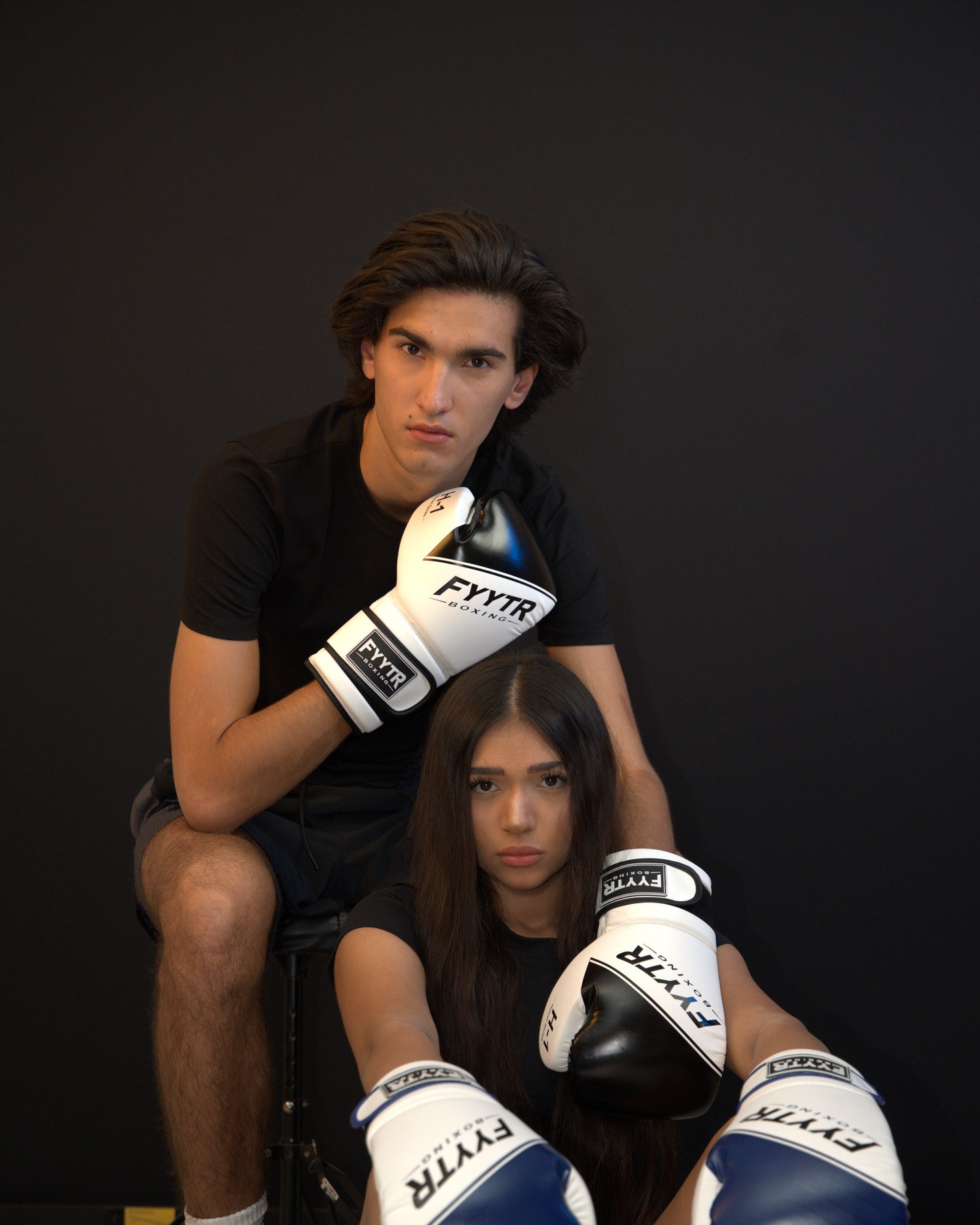
Boxing for teenagers works best when it starts with a good club and very little kit. Many clubs in Dubai, Abu Dhabi and Sharjah take teenagers into junior or youth groups, and some let older teens join adult beginner classes. Either way, a teenager starting boxing needs their own hand wraps and a pair of gloves that fit, a coach who knows their age, and a clear answer on when sparring begins.
This guide is for parents whose teenager has asked to start boxing, often after a film, a friend or a fight night. It covers whether it suits them, how to choose a class, when sparring comes in, and the first boxing kit for a teenager who is still growing.
Is boxing good for teenagers?
For most teenagers who try it, yes.
A good class is hard work in a structured way: skipping, footwork, shadow boxing, pad work with a coach and rounds on the bag. That builds fitness, coordination and balance, and it counts toward the WHO recommendation that children and teenagers get at least 60 minutes of moderate to vigorous activity a day. Unlike many team sports, a teenager can train hard on their own and still be part of a group, so nobody is left on the bench.
Parents often mention the other things a good club teaches: turning up on time, listening to a coach, respecting training partners, and the quiet confidence of learning a skill properly. Those come from the club rather than from boxing itself, which is why choosing the class matters more than anything you buy.
Beginners punch pads and bags, not people. Head contact is the part of boxing that carries real risk, so it comes much later, only under supervision, and always in a fitted headguard. That is the same line we draw for younger children in kids boxing in the UAE.
Teen class or adult class?
There is no single rule, and good clubs set their own policies.
Some clubs run junior or youth groups that take teenagers through to the end of school. Others move older teenagers into adult beginner classes once they are big enough and mature enough. Both can work. What does not work is a fourteen-year-old dropped into an adult class where nobody knows their age and the hardest-hitting adult in the room is their partner for the evening.
Ask every club three things: how classes are grouped, whether the coach knows each teenager's age and experience, and when sparring is introduced. A club that cannot answer the third question clearly is not the right one.
How to choose teen boxing classes in Dubai, Abu Dhabi or Sharjah
You can judge a club in one trial session. Go with your teenager to the first one, even if they would rather you did not.
- Grouping by size and experience. Not by age alone. A slight fourteen-year-old and a fully grown sixteen-year-old should not be partners.
- Individual correction. A coach should adjust their stance or guard at least once in the session.
- Contact on pads, not people. For beginners, every punch should go into a coach's pads or a bag.
- A long warm-up and real rest. Rounds, water breaks and extra care in the UAE heat.
- A clear sparring policy. When it starts, who decides, and what kit it needs.
- The mood. Disciplined but encouraging. If the session looks like a test of who can take the most punishment, keep looking.
Where to find gyms is in where to train boxing in Dubai and Abu Dhabi and boxing in Sharjah and the northern emirates. If your teenager is nervous about walking in, your first boxing class tells them exactly what to expect. Parents of daughters will find more on choosing a class and what to wear in girls boxing in the UAE.
When do teenagers start sparring?
When the coach decides they are ready, and not before.
Most coaches want months of technique first: a solid guard, clean straight punches, footwork that does not cross, and the habit of keeping the chin down. Sparring then starts light and controlled, with a coach watching every round and stopping it the moment one side is outclassed. Plenty of teenagers box for years without ever sparring hard, and still get everything they wanted from the sport.
When sparring does start, two pieces of kit become essential: a fitted headguard and a mouthguard. Most clubs make both mandatory. How to choose a mouthguard is covered in the boxing mouthguard guide.
Some teenagers will want to compete. Amateur bouts follow the age categories set by the governing body, and the route in, from registering to a first bout, is in how to start amateur boxing in the UAE. That is a conversation for the coach, the teenager and you together, and it usually comes well after the first year.
The first boxing kit for a teenager
The difficulty with teenagers is that they keep growing. A glove that fits in September can be tight by the summer. So buy for the hands they have now, not the hands they will have, and expect to replace gloves sooner than an adult would.
Everything below in the sizes that fit children is gathered on our junior boxing kit page.
Hand wraps, from the first class. Wraps sit against the skin and soak up sweat, so they should be your teenager's own. For a smaller teenager whose hands are still close to a child's, Laaf hand wraps in 250 cm are AED 49 and the length made for small hands. Once the hands have grown, an adult length gives the knuckles and wrist full support. The steps are in how to wrap your hands for boxing.
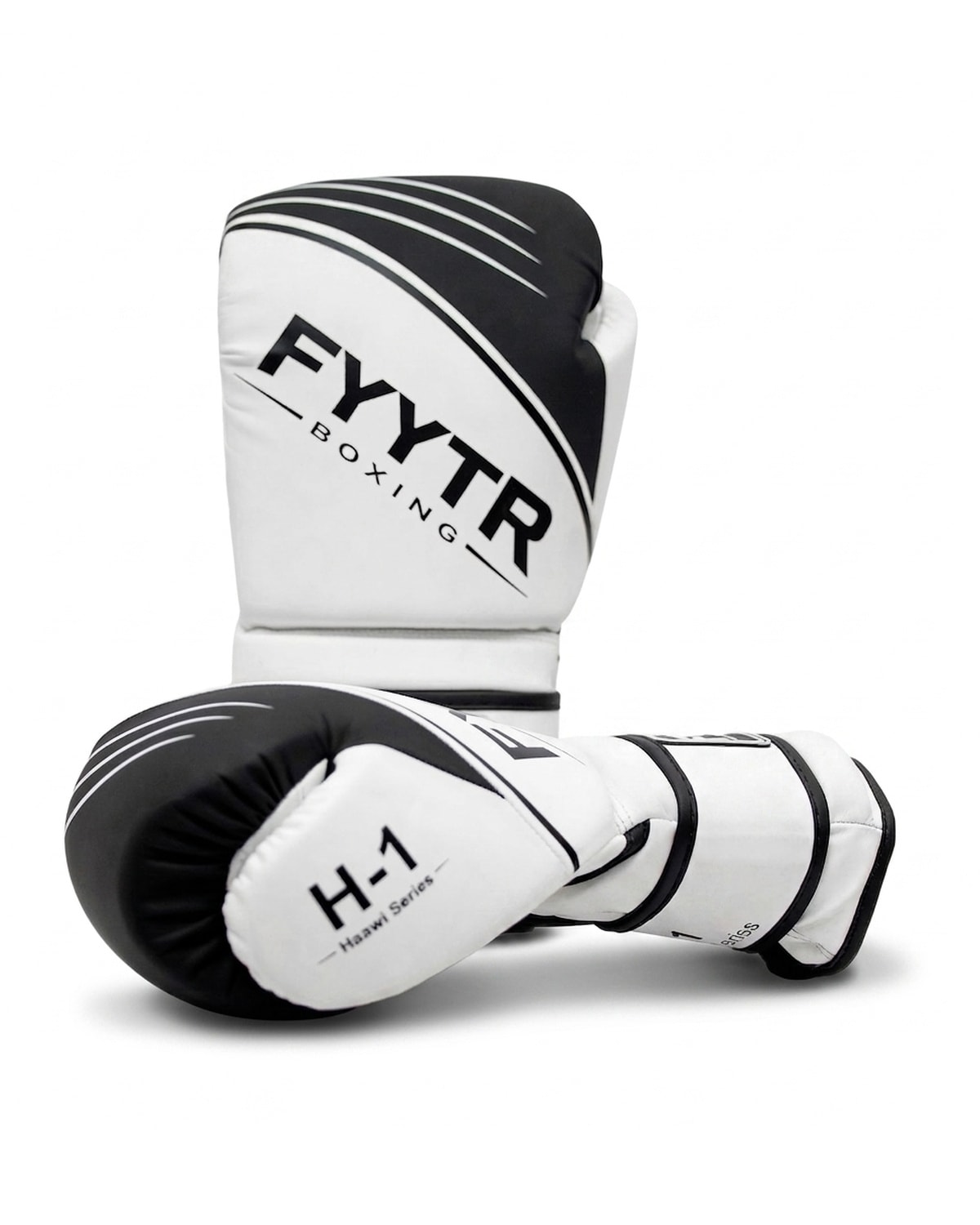
Gloves that fit today. Gloves are chosen by weight and hand size, not by age. A smaller teenager may still fit the Haawi H-1 in 8 oz at AED 249, the size that fits most children from about eight to twelve. Over wraps, the fingers should reach the end of the glove without pressing into it, and the wrist should stay straight when they make a fist. A teenager who has outgrown 8 oz is fitted the way an adult is, and their coach is the best guide; the weights are explained in what oz boxing gloves should you buy.
Do not buy a bigger glove to grow into. A glove that slips around the hand bends the wrist on impact, which is exactly how a young boxer hurts a hand.
A headguard, only when sparring starts. Fit it to the head, not the age. For a smaller head, the Mulakim Shield in S at AED 399 adds cheek protection for the most coverage, and the open face headguard in S/M at AED 379 gives a wider view. Measure around the head just above the eyebrows; the guard should sit firm, stay put when the head turns and leave the eyes clear. More on fitting is in boxing headgear: how to choose, fit and use it.
A towel for every session. A pack of two sweat towels is AED 49. A boxing hall in a UAE summer is warmer than any classroom.
| Stage | What they need | Junior size price |
|---|---|---|
| First class | Hand wraps | AED 49 (Laaf, 250 cm) |
| First month | Training gloves that fit | AED 249 (Haawi H-1, 8 oz) |
| When sparring starts | Headguard and mouthguard | AED 399 (Shield, S) or AED 379 (open face, S/M) |
Gloves and wraps bought together save AED 10 at checkout, so a first kit in the junior sizes comes to AED 288 and ships free anywhere in the UAE.
Fitting boxing around school and the heat
Two or three sessions a week is plenty for a teenager starting out, and it fits around a school timetable. More is not better in the first months; the habit of turning up matters more than the number of sessions.
Gyms are air conditioned, so the UAE heat is a travel and hydration problem rather than a training one. From May to September, make sure they drink well before they leave the house, pack a water bottle and a spare top, and eat something light a couple of hours before an evening class. In Ramadan, many clubs move their timetables; training during Ramadan covers how to adjust.
If your teenager wants to practise at home, a parent holding pads is a good way to do it. Kids boxing at home shows how to hold them safely, and the same rules apply to a teenager: light, one combination at a time, wraps and gloves on.
The short version for parents
Pick a club that groups by size and experience and can tell you exactly when sparring starts. Go to the first trial class. Buy wraps and gloves that fit now, not ones to grow into, and add a headguard and mouthguard only when the coach asks for them.
FYYTR began with two parents who made the first FYYTR gloves and headguard for their own daughters, because they would not compromise on their children's safety. That is the whole of our story, and it is the standard we would hold any club and any kit to for your teenager too.
Common questions
For most teenagers who try it, yes. A well-run class builds fitness, coordination and discipline, and beginners punch pads and bags rather than people. Safety comes from good coaching, sensible matching by size and experience, and kit that fits.
Ask the club. Many clubs in Dubai, Abu Dhabi and Sharjah run junior or youth groups, and some let older teenagers join adult beginner classes. What matters is that they are matched by size and experience, and that the coach knows their age.
When the coach decides they are ready, not before. Most coaches want months of technique first, and sparring should always be supervised, with a fitted headguard and a mouthguard.
It depends on their size, not their age. A smaller teenager may still fit the junior 8 oz Haawi H-1 over wraps. A teenager who has outgrown 8 oz is fitted the way an adult is, and their coach is the best guide.
Their own hand wraps and a pair of training gloves that fit, and nothing else for the first months. A headguard and a mouthguard come in when the coach starts supervised sparring.
Shop the kit



Keep reading
Training6 min read
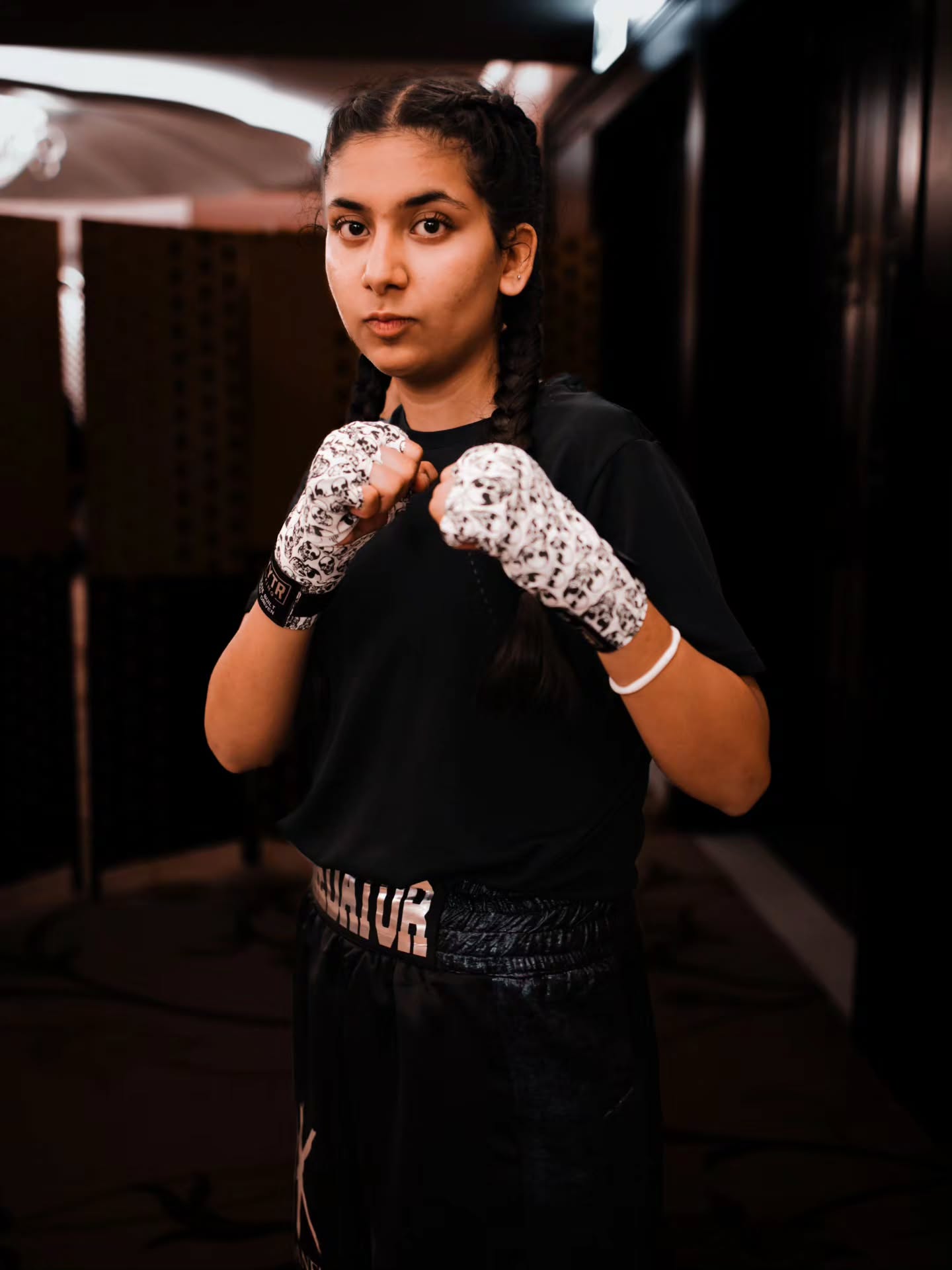
Girls Boxing in the UAE: A Parent's Guide
Girls boxing in the UAE for parents - how to choose a class in Dubai, Abu Dhabi or Sharjah, what she should wear, and the junior kit sizes that fit her.
Training6 min read
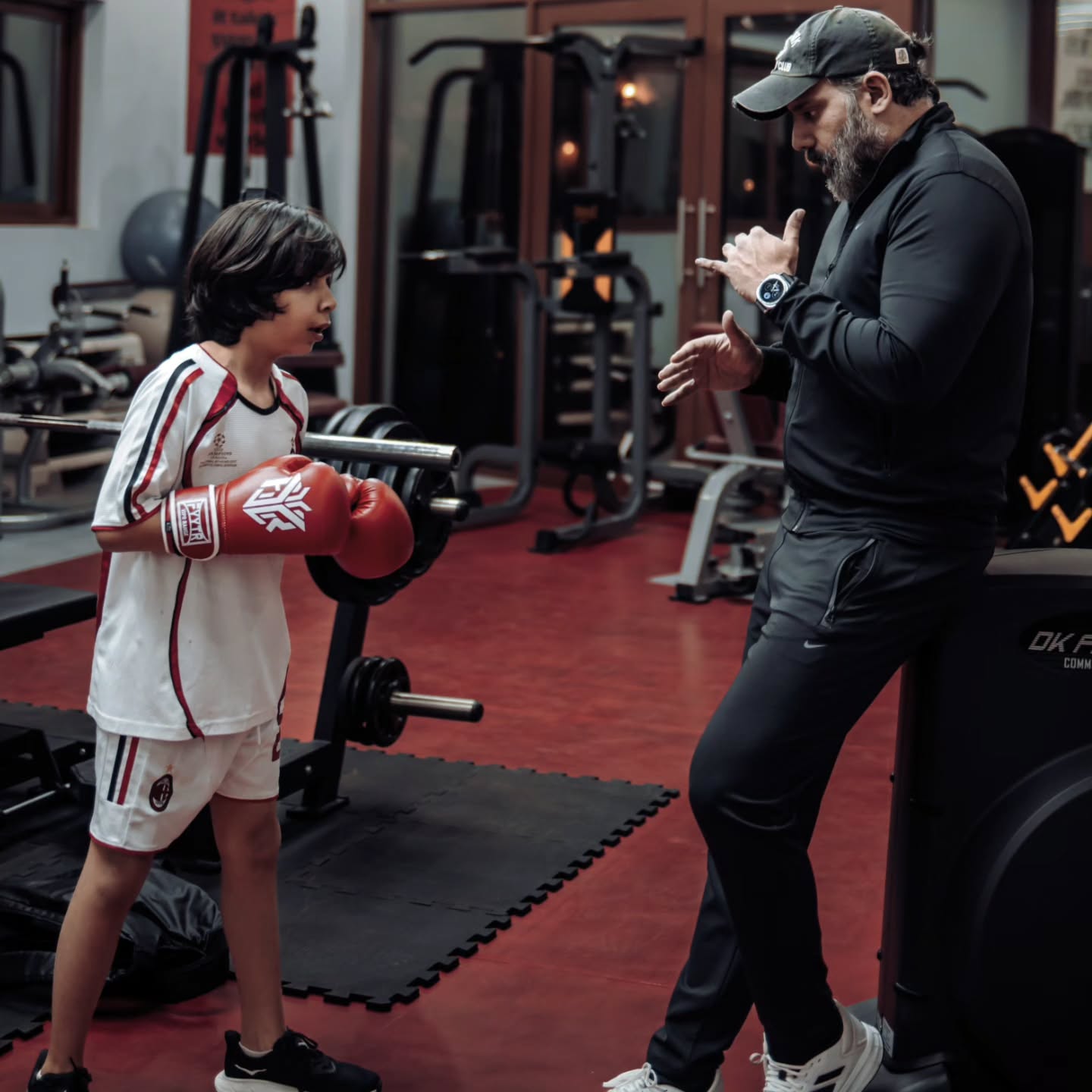
Kids Boxing at Home: How to Hold Pads for Your Child
How to hold boxing pads for your child at home, from safe pad height and first combinations to a 20 minute session, with the junior kit to buy in the UAE.
Training4 min read
Starting Boxing in Dubai: Your First 30 Days
A week by week guide to starting boxing in Dubai, from picking a gym and a trial class to what to buy, what it costs and how to handle the heat.